Emmanuel S. Antonarakis, MD
Clark Endowed Professor of Medicine, Director of GU Oncology, Associate Director of Translation, Division of Hematology, Oncology and Transplantation, University of Minnesota, Masonic Cancer Center, Minneapolis, MN
Leonard Appleman, MD, PhD
Associate Professor of Medicine, Malignant Hematology/Oncology Division, Department of Medicine, UPMC Hillman Cancer Center, Pittsburgh, PA
Saad Atiq, MD
Assistant Professor of Medicine, Genitourinary Medical Oncologist, Icahn School of Medicine at Mount Sinai, New York, NY
Mark W. Ball, MD, FACS
Associate Research Physician (Associate Professor), NCI Liaison to Surgical, Administrative, Committee/SAC Co-Chair, Associate Program Director, Urologic Oncology Fellowship, Urologic Oncology Branch, National Cancer Institute, NIH, Bethesda, MD
Erin Bange, MD, MSCE
Assistant Attending Physician, Genitourinary Medical Oncologist, Memorial Sloan Kettering Cancer Center, New York, NY
Kathryn Beckermann, MD, PhD
Medical Director GU Clinical Research, Tennessee Oncology, Jessica Jones, Research Administrative Assistant, Nashville, TN
David J. Benjamin, MD
Medical Oncologist, Hoag Family Cancer Institute, Newport Beach, CA
Trinity J. Bivalacqua, MD, PhD
Director, Urologic Oncology, Co-Director, Genitourinary Cancer Service Line, Abramson Cancer Center, Professor of Surgery, Hospital of the University of Pennsylvania, Philadelphia, PA
Rohit Bose, MD, PhD
Professor of Medicine, Division of Hematology/Oncology, Department of Medicine, University of California, San Francisco, UCSF Helen Diller Family, Comprehensive Cancer Center, San Francisco, CA
Jacqueline T. Brown, MD
Assistant Professor, Associate Medical Director, Ambulatory Infusion Center, Winship Cancer Institute of Emory University, Department of Hematology and Medical Oncology, Atlanta, GA
James Brugarolas, MD, PhD
Director, Kidney Cancer Program, Sherry Wigley Crow Endowed Chair in Cancer Research, Professor, Internal Medicine/ Hematology-Oncology, Cancer Biology, Genetics, Development and Disease, Simmons Comprehensive Cancer Center, University of Texas Southwestern Medical Center, Dallas, TX
Corbin Eule, MD
Assistant Professor, Genitourinary (GU) Medical Oncology, University of Colorado School of Medicine, Aurora, CO
Catherine Fahey, MD, PhD
Assistant Professor of Medicine, Division of Oncology, University of North Carolina at Chapel Hill, Chapel Hill, NC
Christopher Gaffney, MD
Assistant Attending Surgeon, Urologic Surgeon, Memorial Sloan Kettering Cancer Center, New York, NY
Saby George, MD, FACP
Professor of Oncology, Roswell Park Comprehensive Cancer Center, Director, Network Clinical Trials, Department of Medicine, Buffalo, NY
Timothy Gilligan, MD
Executive Medical Director & Chair, Sutter Health’s cancer center, San Francisco, CA
Michael Glover, MD
Assistant Professor. Department of Genitourinary Medical Oncology, Division of Cancer Medicine, The University of Texas MD Anderson Cancer Center, Houston, Texas
Theodore Stewart Gourdin, MD
Associate Professor, Genitourinary Medical Oncology, Hollings Cancer Center/ Medical University of South Carolina, Charleston, SC
Brendan J. Guercio, MD
Assistant Professor, Department of Medicine, Director for Genitourinary Medical Oncology, James P. Wilmot Cancer Institute, University of Rochester Medical Center, Rochester, NY
Hans Hammers, MD, PhD
Professor, Eugene P. Frenkel, M.D. Scholar in Clinical Medicine, Department of Internal Medicine, Division of Hematology and Oncology, UT Southwestern Medical Center, Dallas, TX
Elshad Hasanov, MD, PhD
Assistant Professor, Department of Internal Medicine, Division of Medical Oncology, The Ohio State University College of Medicine, The Ohio State University Comprehensive Cancer Center, Columbus, OH
Michael E. Hurwitz, MD
Associate Professor of Medicine, Yale Cancer Center, Program Director, Hematology/Oncology Fellowship, Yale School of Medicine, New Haven, CT
Arif Hussain, MD
Professor of Medicine, Department of Medicine, University of Maryland School of Medicine, Co-Leader, Hormone Responsive Cancers Program, University of Maryland Greenebaum Comprehensive Cancer Center, Baltimore, MD
Maneesh Jain, MD
Associate Professor of Medicine, Department of Medicine, George Washington University School of Medicine and Health Sciences, Washington, DC
Angela Y. Jia, MD, PhD
Assistant Professor, Radiation Oncology, Director, GU Radiation Oncology, Co-Lead, GU Disease Program, Associate Residency Program Director, University Hospitals Cleveland Medical Center, Cleveland, OH
Changchuan (Charles) Jiang, MD, MPH
Assistant Professor, GU Medical Oncology, Division of Hematology and Oncology, Department of Internal Medicine, University of Texas Southwestern Medical Center, Dallas, TX
Eric Jonasch, MD
Professor, Department of Genitourinary Medical Oncology, Division of Cancer Medicine, The University of Texas MD Anderson Cancer Center, Houston, TX
Prateek Khanna, MBBS
Medical Oncologist, Dana-Farber Cancer Institute, Instructor in Medicine, Harvard Medical School, Boston, MA
Timothy M. Kuzel, MD, FACP
Clinical Professor of Medicine, Feinberg School of Medicine, Northwestern University, Associate Director of Clinical Research Network, Robert H. Lurie Comprehensive Cancer Center, Distinguished Physician, St George Foundation, Oncology Service Line Director, NM South Region, Chicago, IL
Galina Grigoriev Lagos, MD
Assistant Professor of Medicine, The Warren Alpert Medical School, Brown University, Providence, RI
Andrew T. Lenis, MD
Assistant Professor of Urology, Department of Urology, Columbia University Irving Medical Center, New York, NY
Mark C. Markowski, MD, PhD
Associate Professor, Medical Oncology, Director of Genitourinary Medical Oncology, National Capital Region, Sidney Kimmel Comprehensive Cancer Center, Johns Hopkins University School of Medicine, Baltimore, MD
Lingbin Meng, MD, PhD
Assistant Professor of Internal Medicine, Division of Medical Oncology, The Ohio State University Comprehensive Cancer Center, Columbus, OH
Zin W. Myint, MD
Associate Professor of Internal Medicine, Division of Medical Oncology, Department of Internal Medicine, University of Kentucky College of Medicine, Markey Cancer Center, Lexington, KY
Vivek K. Narayan, MD, MS
Associate Professor of Medicine, Division of Hematology Oncology, University of Pennsylvania, Philadelphia, PA
Phillip L. Palmbos, MD, PhD
Associate Professor, Division of Hematology/Oncology, Department of Internal Medicine, University of Michigan Medical School, Ann Arbor, MI
Chong-Xian Pan, MD
Associate Professor of Medicine, Brigham and Women’s Hospital, Harvard Medical School , Boston, MA
Daniel P. Petrylak, MD
Professor of Medicine (Medical Oncology) and Urology, Chief, Genitourinary Oncology, Director of Genitourinary Oncology, Co Director Signal Transduction Program, Yale School of Medicine, New Haven, CT
Dana E. Rathkopf, MD
Member, Memorial Hospital, Memorial Sloan Kettering Cancer Center , Clinical Professor of Medicine, Weill Cornell Medical College, New York, NY
Rosa Nadal Rios, MD, PhD
GU Medical Oncology, Associate Professor, University of Washington School of Medicine, Fred Hutchinson Cancer Center, Seattle, WA
Karie D. Runcie, MD
Assistant Professor of Medicine, Division of Hematology/Oncology, Columbia University Irving Medical Center, Medical Oncologist, Genitourinary Oncology and Phase I Experimental Therapeutics, Herbert Irving Comprehensive Cancer Center, NewYork-Presbyterian/Columbia University Irving Medical Center, New York, NY
Charles James Ryan, MD
Member, Attending Physician, Memorial Sloan Kettering Cancer Center, New York, NY
Oliver Sartor, MD
Director, Transformational Prostate Cancer Research Center, LCMC Health, Metairie, LA
Neil J. Shah, MD
Assistant Attending Physician, Memorial Sloan Kettering Cancer Center, New York, NY
Sumit Shah, MD, MPH
Clinical Associate Professor of Medicine – Oncology, Clinical Associate Professor of Urology, by courtesy, Stanford University School of Medicine, Stanford, CA
Eugene Shenderov, MD, PhD
Associate Professor of Oncology and Cancer Research Immunology, Johns Hopkins School of Medicine, Sidney Kimmel Comprehensive Cancer Center, Johns Hopkins University, Baltimore, MD
Eric Singer, MD, MA, MS, FACS, FASCO
Professor of Urology, Director, Division of Urologic Oncology, Dave Longaberger Endowed Chair in Urology, Director, Urologic Oncology Fellowship, The Ohio State University College of Medicine, Columbus, OH
David B. Solit, MD
Geoffrey Beene Chair in Cancer Research, Director, Marie-Josée and Henry R. Kravis Center for Molecular Oncology, Chief, Molecular Medicine Service, Human Oncology and Pathogenesis Program, Memorial Sloan Kettering Cancer Center, New York, NY
Srikala Sridhar, MD, MSc, FRCPC
Staff Medical Oncologist, GU Site Group Lead, Princess Margaret Cancer Center, Professor, Medical Oncology,, University of Toronto,, Toronto, Ontario, Canada
Walter Stadler, MD, FACP, FASCO
Chief Clinical Officer,, City of Hope Cancer Center Chicago, Professor, Department of Medical Oncology & Therapeutics Research. Chicago, IL
Sumit K. Subudhi, MD, PhD
Associate Professor, Department of Genitourinary Medical Oncology, Division of Cancer Medicine, The University of Texas MD Anderson Cancer Center, Houston, TX
Chad Tang, MD
Associate Professor, Department of Genitourinary Radiation Oncology, Division of Radiation Oncology, The University of Texas MD Anderson Cancer Center, Houston, TX
Hong Truong, MD, MS
Urologic Surgeon, Memorial Sloan Kettering Cancer Center, New York, NY
Alex Tsai, MD, PhD
Assistant Professor, Division of Hematology, Oncology and Transplantation, University of Minnesota Medical School, Minneapolis, MN
Scott S. Tykodi, MD, PhD
Professor, Clinical Research Division, Affiliate Investigator, Translational Science and Therapeutics Division, Fred Hutch Cancer Center, Associate Professor, Division of Hematology and Oncology, University of Washington School of Medicine, Seattle, WA
Sara E. Wobker, MD, MPH
Associate Professor with Tenure, Department of Pathology and Laboratory Medicine, University of North Carolina at Chapel Hill, Chapel Hill, NC
Yu-Ning Wong, MD, MSCE
Professor of Clinical Medicine, Hematology-Oncology, Perelman School of Medicine, University of Pennsylvania, Philadelphia, PA
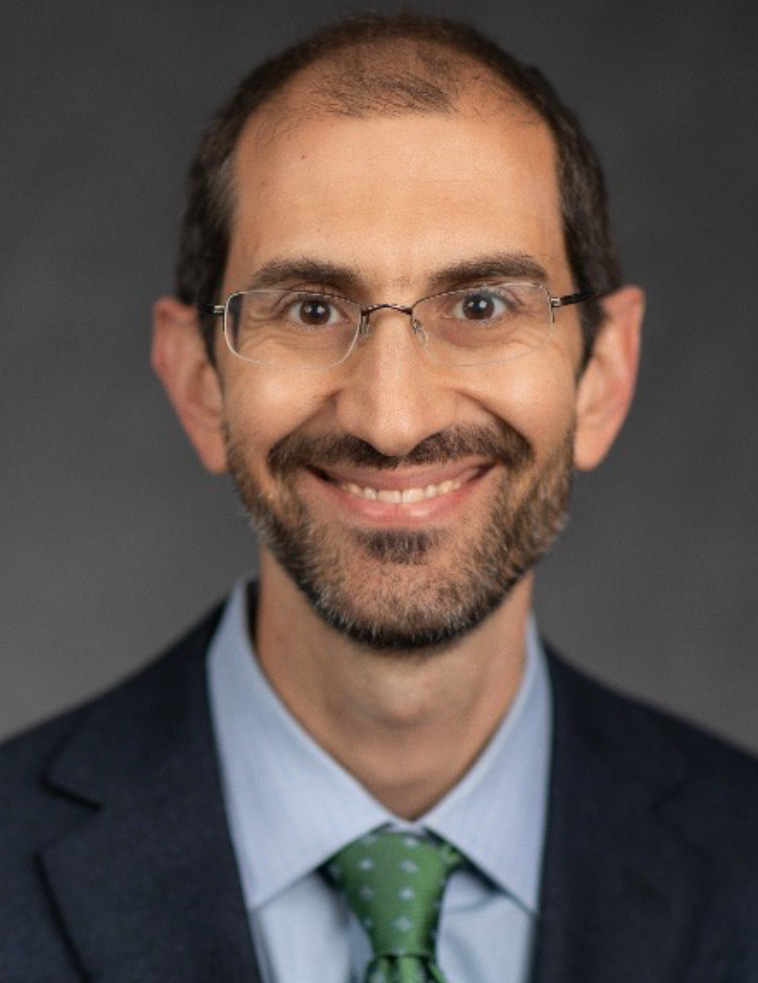
Emmanuel S. Antonarakis, MD
Clark Endowed Professor of Medicine
Director of GU Oncology, Associate Director of Translation
Division of Hematology, Oncology and Transplantation
University of Minnesota, Masonic Cancer Center
Minneapolis, MN
Dr Antonarakis is the Clark Endowed Professor of Medicine and Director of Genitourinary Oncology in the Division of Hematology/Oncology and Transplantation at the University of Minnesota. He also serves as the Associate Director for Translational Research at the Masonic Cancer Center. Previously he was Professor of Oncology and Urology at the Johns Hopkins Sidney Kimmel Comprehensive Cancer Center, the Director of Prostate Cancer Medical Oncology Research, and the Co-Director of the Prostate Cancer Multi-Disciplinary Clinic at Johns Hopkins. Dr Antonarakis an expert on the clinical management of advanced prostate cancer and other genitourinary malignancies. He has received numerous awards for his translational research and his teaching skills. He is involved in mentoring fellows and junior faculty in the clinical care of genitourinary cancers and the development of translational clinical trials related to prostate cancer.
Dr Antonarakis’ research focuses on drug development and clinical trial design for patients with prostate cancer, as well as cancer genetics and genomics. More specifically, he is exploring novel androgen-directed therapies, genetically targeted therapies, and immunotherapies for men with recurrent or advanced prostate cancer, using germline and cancer genomics to inform precision oncology approaches. He also has an interest in liquid biomarker development, specifically the clinical utility of the AR-V7 marker as well as DNA repair markers and their therapeutic implications. He is the PI of multiple phase II and III prostate cancer trials and is an active member of the Prostate Cancer Clinical Trials Consortium (PCCTC) and the ECOG-ACRIN and Alliance Cooperative Groups, as well as the NCI Prostate Cancer Task Force and the NCCN Prostate Cancer Panel. In 2021, he was elected to the American Society for Clinical Investigation (ASCI). He serves on the Editorial Board of several oncology journals, including the Journal of Clinical Oncology. He is the author of over 410 peer-reviewed scientific articles, several book chapters, and has edited two textbooks on prostate cancer.
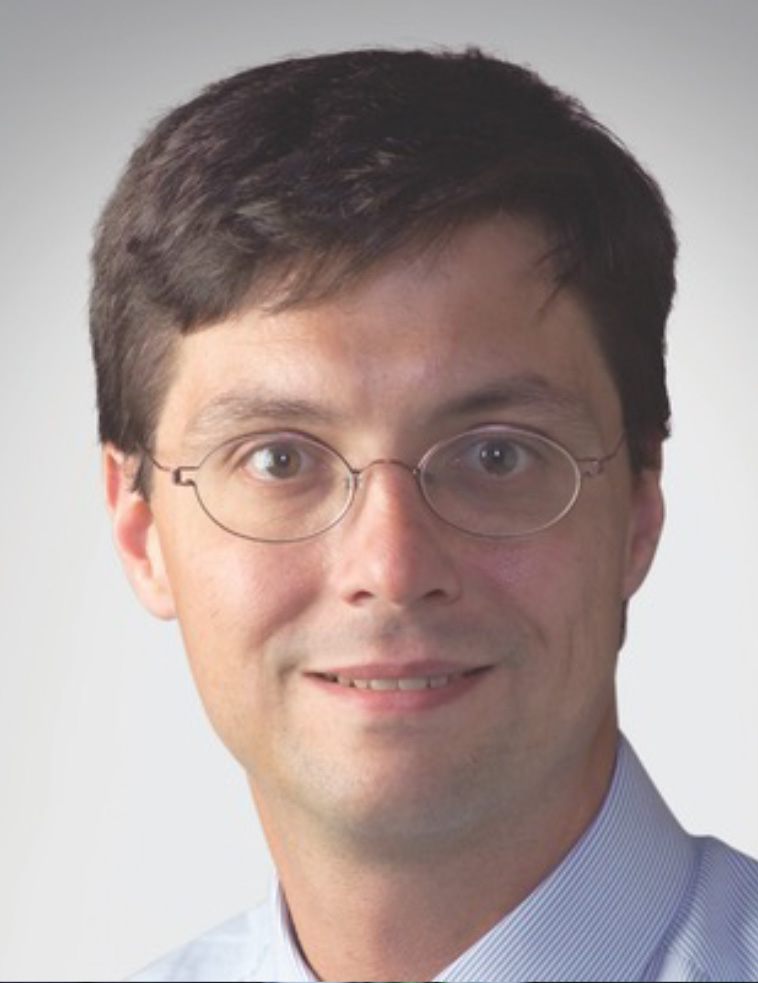
Leonard Appleman, MD, PhD
Associate Professor of Medicine
Malignant Hematology/Oncology Division
Department of Medicine
UPMC Hillman Cancer Center
Pittsburgh, PA
Leonard Appleman, MD is an Oncology Specialist in Pittsburgh, PA and has over 27 years of experience in the medical field. Dr. Appleman has extensive experience in Renal Neoplasms & Resection. He graduated from New York University School of Medicine medical school in 1995. His current research efforts in the field of tumor immunology include collaboration with Dr. Pawel Kalinski, conducting clinical trial of an autologous dendritic cell vaccine in patients with biochemical recurrence of prostate cancer (UPCI 06-070). Dr. Appleman is also working with Dr. Michael Lotze on another investigator initiated phase I study of high dose interleukin-2 plus hydroxychloroquine (UPCI 11-080) and has co-authored a review on inhibiting autophagy in renal cell carcinoma with his collaborators (Lotze, Maranchie and Appleman 2013, Cancer J.). He is site principal investigator for the NCI-funded Cancer Immunotherapy Trials Network (CITN) study of interleukin-7 and sipuleucel-T for men with castration-refractory prostate cancer and was the site PI for the Cytokine Working Group IL-2 Select study (McDermott et al. 2014, Clin. Cancer Res.). He also serves as site PI for several industry-sponsored studies that are investigating cancer immunotherapy. One of these studies was presented at ASCO in 2014 (Choueiri et al.).
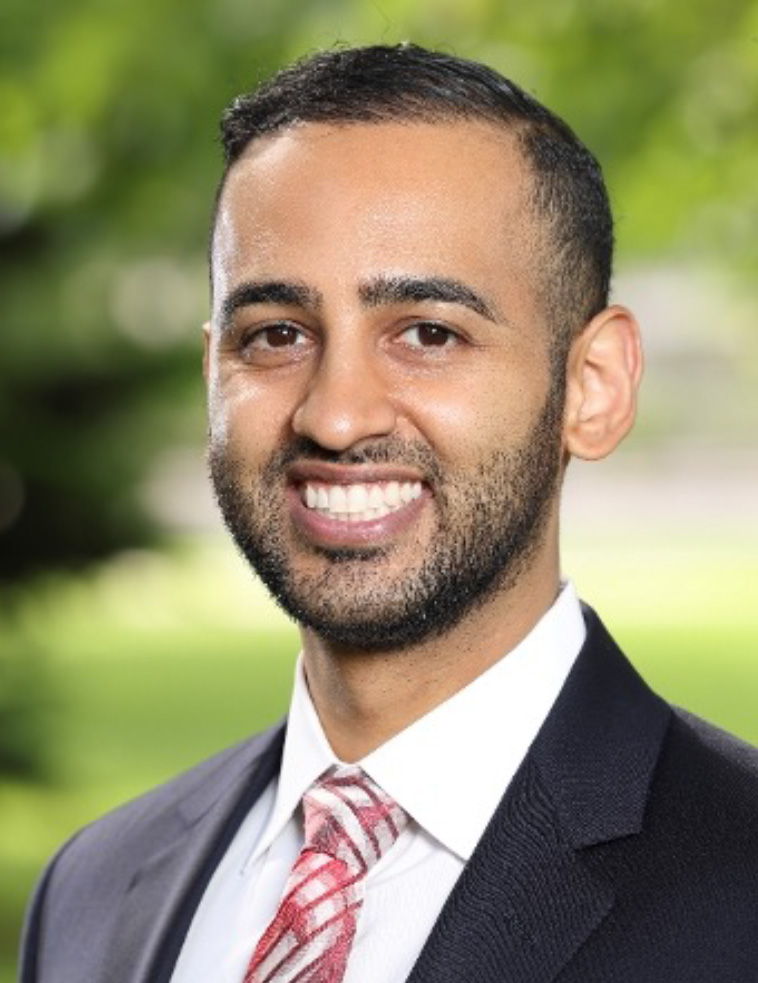
Saad Atiq, MD
Assistant Professor of Medicine
Genitourinary Medical Oncologist
Icahn School of Medicine at Mount Sinai
New York, NY
Saad Atiq, MD is an Assistant Professor of Medicine and serves as a genitourinary medical oncologist in the Department of Medicine at Mount Sinai’s Tisch Cancer Center. Dr. Atiq joined Mount Sinai in 2025 after completing fellowship in medical oncology at the National Cancer Institute. He completed internal medicine residency at Duke University and medical school at the University of Arkansas for Medical Sciences.
His research has focused on the use of novel treatment combinations in urothelial carcinoma and investigating mechanisms of resistance to existing therapies. He also led projects exploring biomarkers in bladder cancer subtypes to guide the development of future clinical trials. He is currently working on developing IITs for patients with metastatic urothelial carcinoma as well as for patients with metastatic androgen pathway modulation naive and resistant prostate cancer.
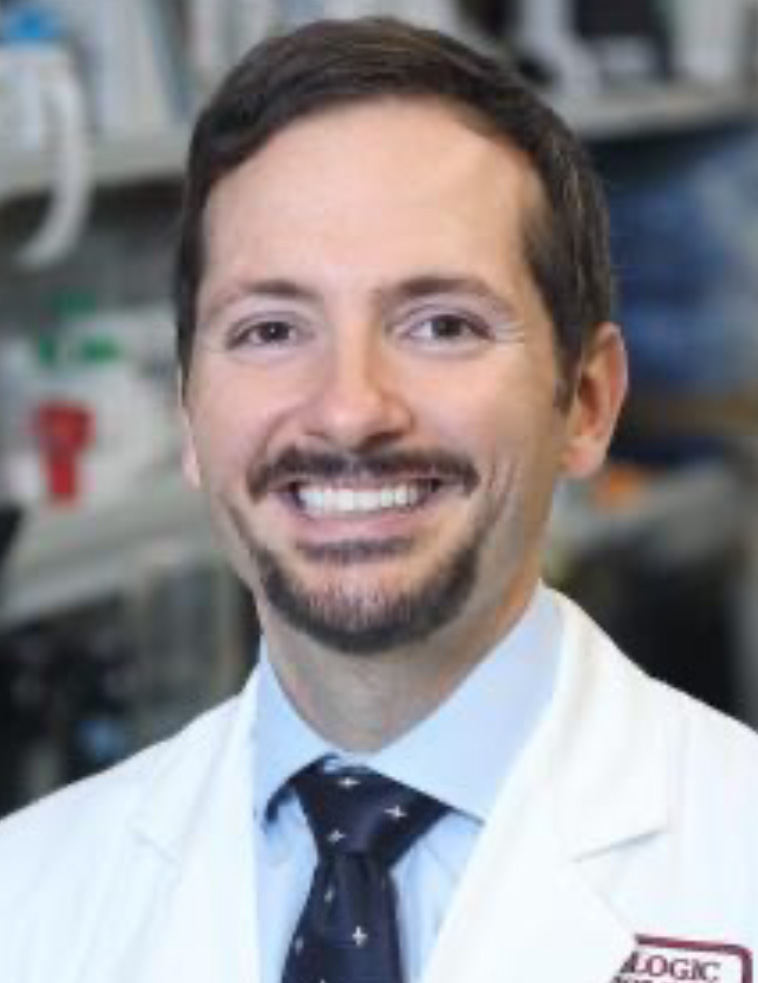
Mark W. Ball, MD, FACS
Associate Research Physician (Associate Professor)
NCI Liaison to Surgical Administrative Committee/SAC Co-Chair
Associate Program Director, Urologic Oncology Fellowship
Urologic Oncology Branch
National Cancer Institute, NIH
Bethesda, MD
Dr. Mark Ball is an attending surgeon and board-certified urologist specializing in urologic oncology. He received his undergraduate degree in biochemistry and molecular biology from Centre College, graduating magna cum laude and Phi Beta Kappa. He received his M.D. from the Johns Hopkins University School of Medicine. He completed his internship and residency at the James Buchanan Brady Urological Institute at Johns Hopkins. He subsequently completed a Society of Urologic Oncology-accredited fellowship at the National Cancer Institute
Dr. Ball is the highest volume robotic kidney surgeon in the metropolitan Washington D.C. area, based at the National Cancer Institute. He has a particular interest in robotic partial nephrectomy and robotic partial adrenalectomy for hereditary kidney cancer syndromes, having successfully removed over 1,000 kidney tumors.
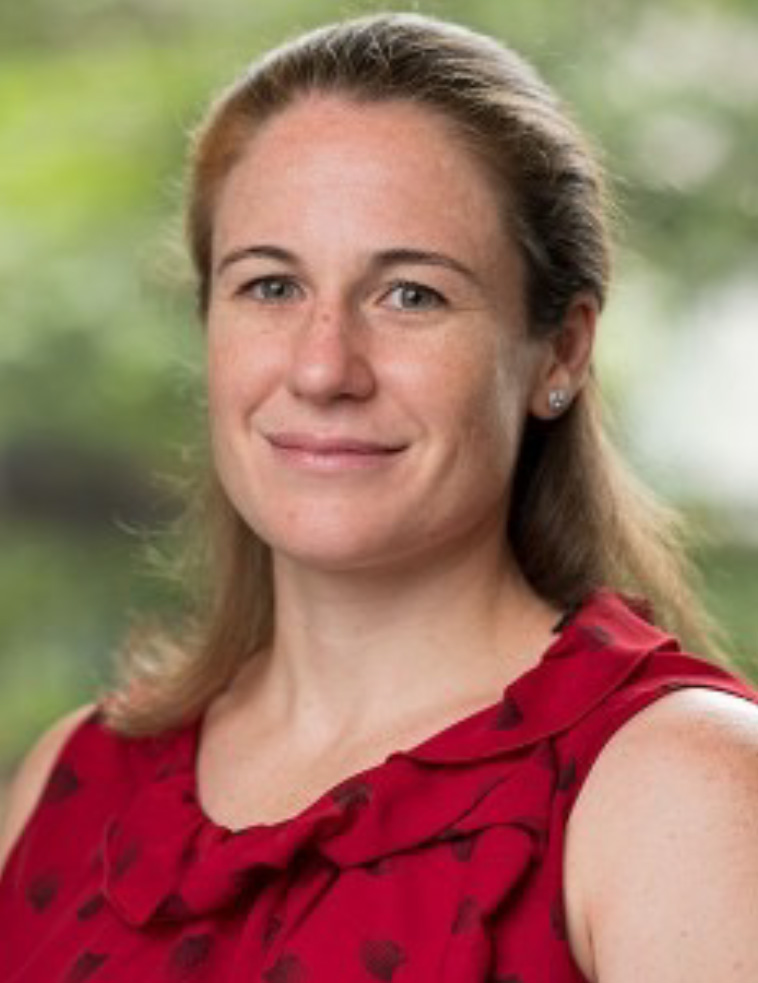
Erin Bange, MD, MSCE
Assistant Attending Physician
Genitourinary Medical Oncologist
Memorial Sloan Kettering Cancer Center
New York, NY
Dr. Erin Bange, MD, MSCE, is a medical oncologist at Memorial Sloan Kettering Cancer Center (MSKCC) specializing in genitourinary malignancies, including prostate, bladder, kidney, and testicular cancers. She practices at the Sidney Kimmel Center for Prostate and Urologic Cancers in New York. Dr. Bange earned her medical degree from Thomas Jefferson University and completed her residency in internal medicine at the Hospital of the University of Pennsylvania, followed by fellowship training in medical oncology. She also earned a Master of Science in Clinical Epidemiology (MSCE), reflecting her strong foundation in clinical research and outcomes science.
Dr. Bange’s research focuses on improving outcomes and quality of life for patients with genitourinary cancers, with particular interest in patient-centered care, treatment-related toxicities, and survivorship. She has contributed to clinical and translational research in bladder and prostate cancer and has received recognition including the Conquer Cancer Young Investigator Award and ASCO Merit Award. Through her work at MSKCC, she is actively involved in advancing innovative therapies and evidence-based approaches in genitourinary oncology while guiding patients and families through complex treatment decisions.
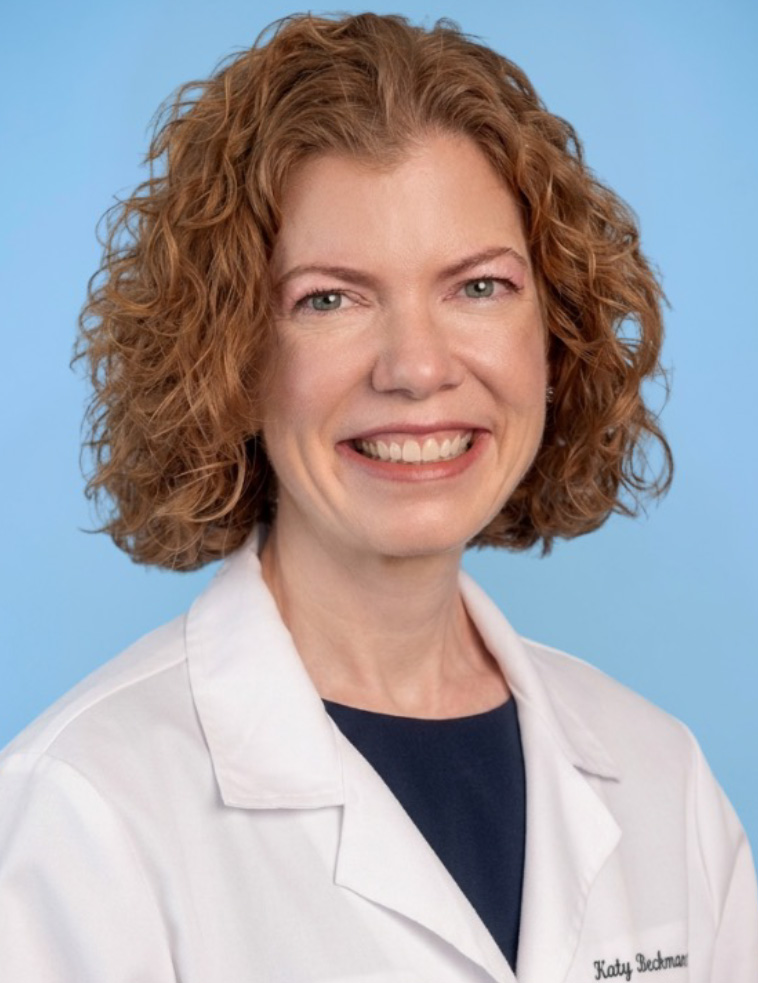
Kathryn Beckermann, MD, PhD
Medical Director GU Clinical Research
Tennessee Oncology
Jessica Jones, Research Administrative Assistant
Nashville, TN
Dr. Katy Beckermann is a board-certified medical oncologist specializing in genitourinary malignancies. She completed her entire advanced medical and scientific training at Vanderbilt University, where she earned her medical degree, a PhD, and subsequently completed her specialized fellowship training. Dr. Beckermann serves as the Medical Director of Genitourinary Clinical Research at Tennessee Oncology in Nashville, Tennessee.
Her clinical expertise and research focus heavily on developing and leading innovative clinical trials for urologic cancers, aiming to bring advanced therapeutic options to patients navigating kidney, bladder, and prostate malignancies. Her work is particularly relevant to the evolving management of advanced kidney cancer, including approaches after immune checkpoint inhibitor therapy.
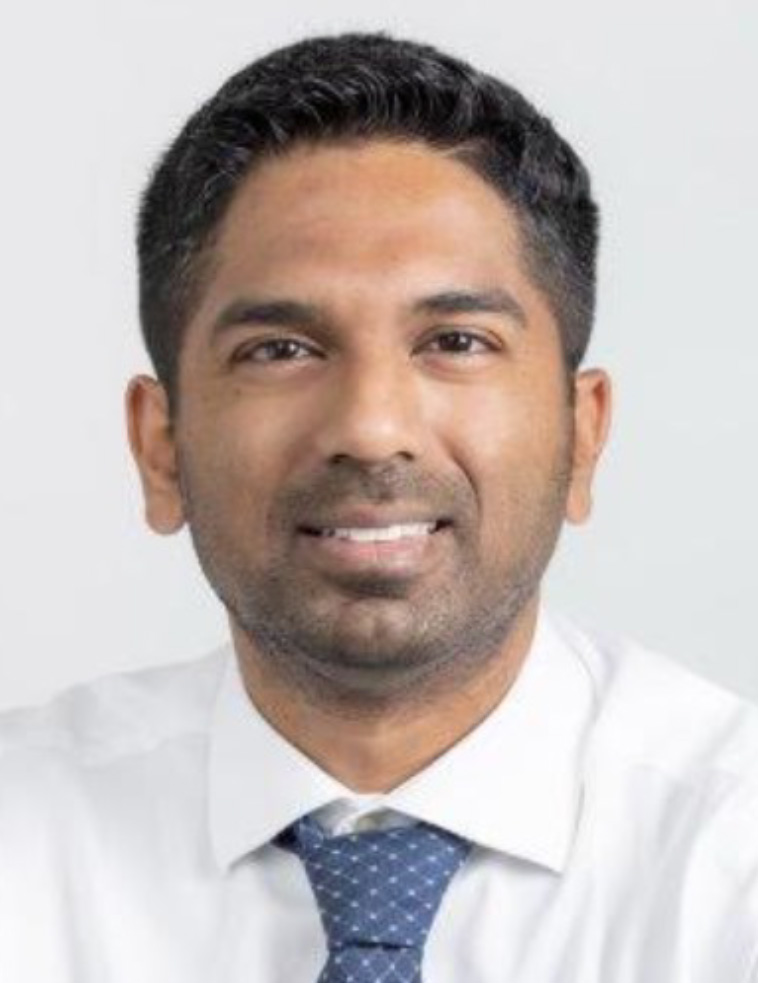
David J. Benjamin, MD
Medical Oncologist
Hoag Family Cancer Institute
Newport Beach, CA
Dr. David J. Benjamin is a genitourinary medical oncologist at Hoag Family Cancer Institute (Newport Beach, CA). He is active in research as principal investigator for several clinical trials for genitourinary cancers. He has co-authored over eighty publications, and spoken at several national and international conferences including ESMO Congress and IASLC WCLC.
.
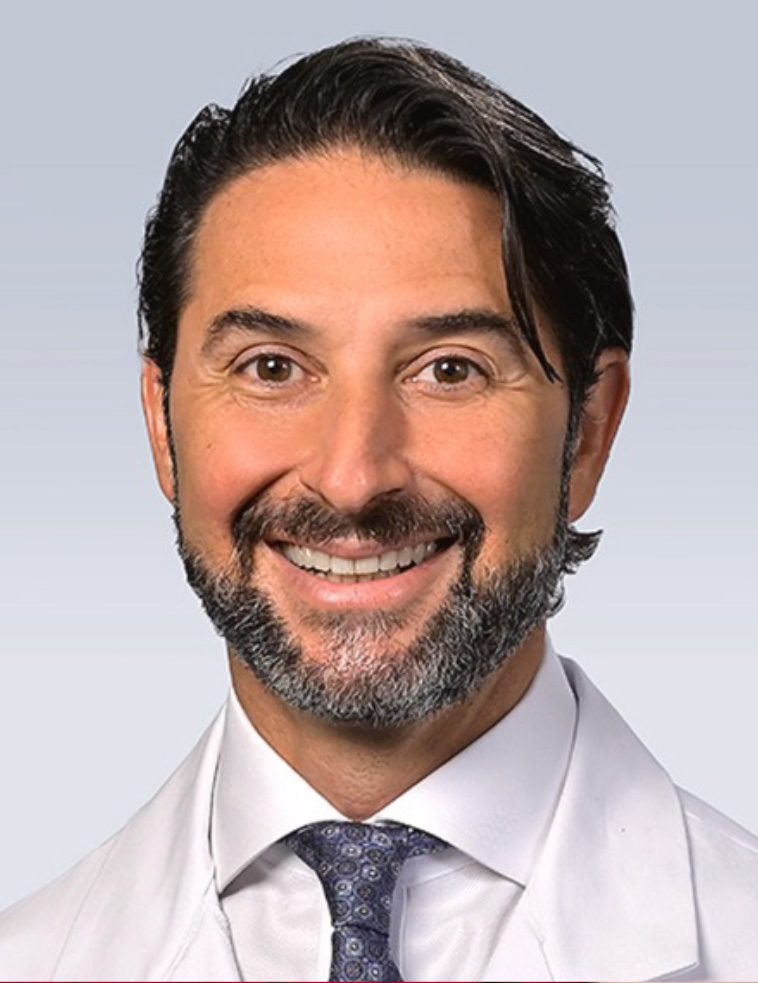
Trinity J. Bivalacqua, MD, PhD
Director, Urologic Oncology
Co-Director, Genitourinary Cancer Service Line,
Abramson Cancer Center
Professor of Surgery
Hospital of the University of Pennsylvania
Philadelphia, PA
Dr. Trinity J. Bivalacqua, MD, PhD, is a nationally recognized urologic oncologist and academic leader at the University of Pennsylvania, where he serves as Professor and Chair of the Department of Urology at the Perelman School of Medicine. He is also Urologist-in-Chief for the University of Pennsylvania Health System. Dr. Bivalacqua earned his MD and PhD degrees from Johns Hopkins University School of Medicine and completed his residency training in urology at Johns Hopkins Hospital, followed by advanced fellowship training in urologic oncology. He has built an international reputation for excellence in the surgical and multidisciplinary management of genitourinary malignancies, particularly bladder cancer.
Dr. Bivalacqua’s clinical and translational research focuses on bladder cancer biology, immunotherapy, mechanisms of treatment resistance, and the development of novel therapeutics for invasive bladder cancer. He has led numerous investigator-initiated and cooperative group clinical trials evaluating innovative approaches in urothelial carcinoma and other GU malignancies. Widely published in leading peer-reviewed journals, Dr. Bivalacqua has received multiple honors for his contributions to urologic oncology and continues to advance precision medicine and translational research efforts aimed at improving outcomes for patients with genitourinary cancers.
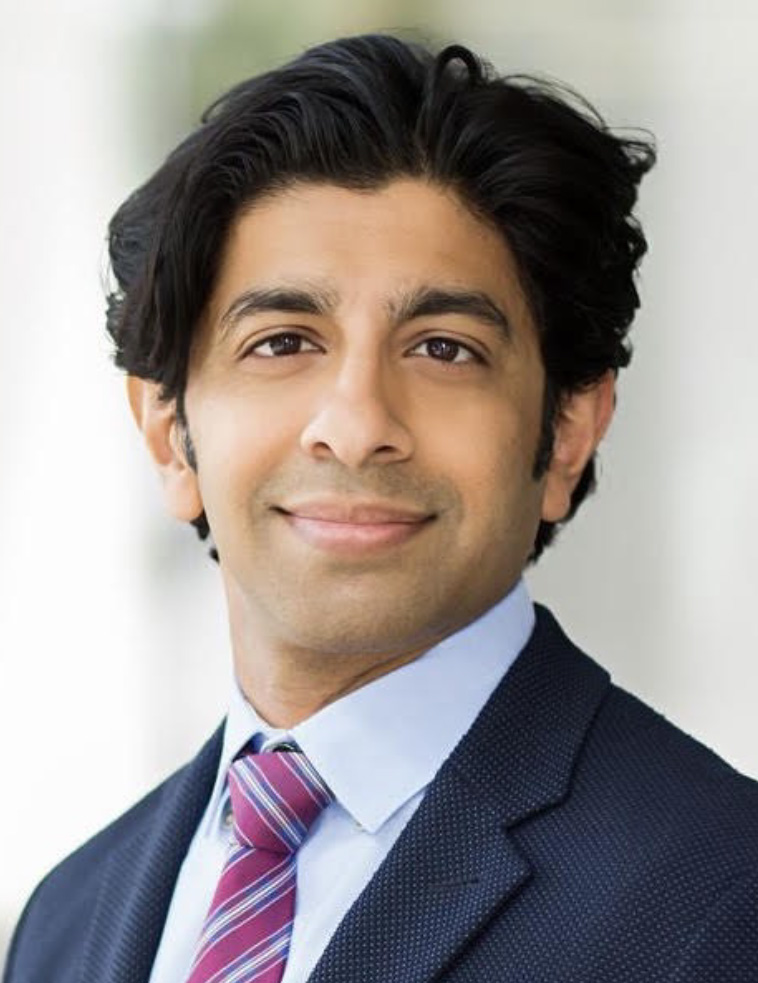
Rohit Bose, MD, PhD
Professor of Medicine
Division of Hematology/Oncology
Department of Medicine
University of California, San Francisco
UCSF Helen Diller Family Comprehensive Cancer Center
San Francisco, CA
Rohit Bose, MD, PhD, is a physician-scientist and medical oncologist at the University of California, San Francisco (UCSF), where he leads an integrated translational oncology program focused on prostate cancer evolution and therapeutic resistance. His laboratory has developed innovative experimental platforms to understand how tumors evolve under therapeutic pressure and uses these insights to identify selection biomarkers and reveal therapeutic vulnerabilities.
His current research focuses on defining molecular determinants of response to androgen receptor pathway and AKT inhibitors, while developing minimally invasive approaches to study tumor evolution through methylated circulating tumor DNA and tumor-derived extracellular vesicles in plasma. By integrating mechanistic laboratory investigation with prospective clinical biospecimen collection and therapeutic trials, his work aims to advance biomarker-guided precision oncology and improve outcomes for patients with advanced prostate cancer.
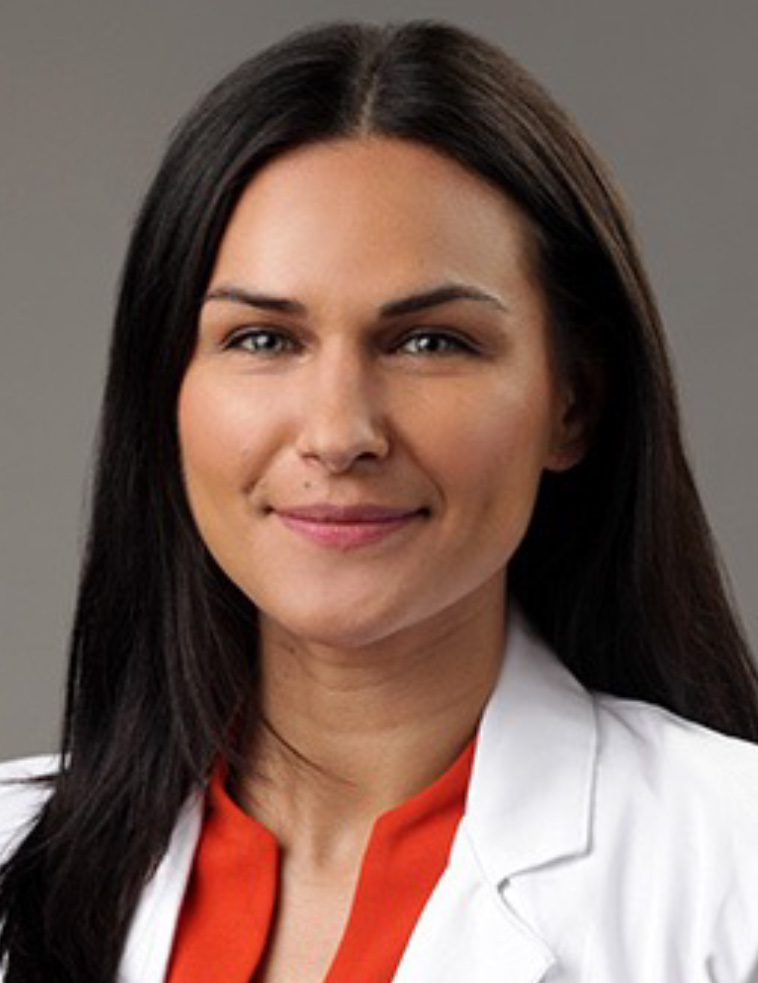
Jacqueline T. Brown, MD
Assistant Professor
Associate Medical Director, Ambulatory Infusion Center
Winship Cancer Institute of Emory University
Department of Hematology and Medical Oncology
Atlanta, GA
Dr. Jacqueline T. Brown serves as an Assistant Professor and the Associate Medical Director of the Ambulatory Infusion Center at Winship Cancer Institute of Emory University. She completed her medical degree from University of Rochester School of Medicine & Dentistry and Residency in Internal Medicine from University of Virginia and Fellowship in Hematology/Oncology from Emory University School of Medicine.
Dr. Brown’s clinical and research interests focus on improving supportive care and optimizing infusion services for patients undergoing complex cancer therapies. She has contributed to advancing infusion center protocols and enhancing patient safety and comfort during treatment. Her leadership at Winship has been instrumental in expanding access to advanced therapies and integrating multidisciplinary care strategies. Dr. Brown is also actively involved in mentoring trainees and contributing to quality improvement initiatives, reflecting her commitment to excellence in oncology care and education.
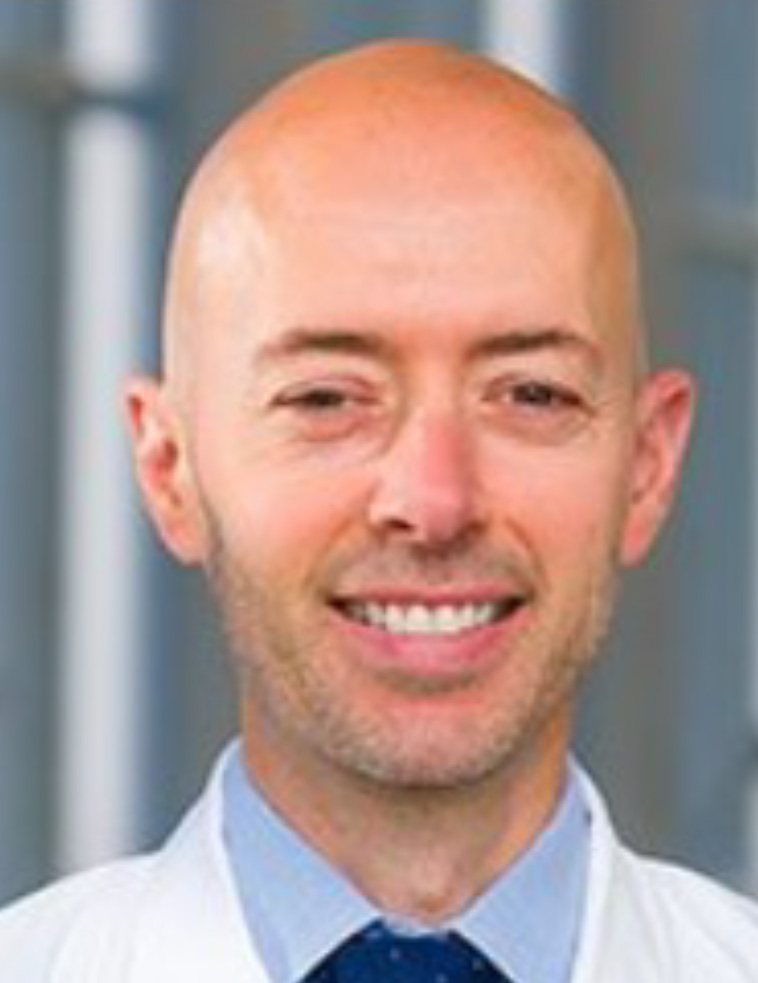
James Brugarolas, MD, PhD
Director, Kidney Cancer Program
Sherry Wigley Crow Endowed Chair in Cancer Research
Professor, Internal Medicine/ Hematology-Oncology
Cancer Biology, Genetics, Development and Disease
Simmons Comprehensive Cancer Center
University of Texas Southwestern Medical Center
Dallas, TX
Dr. Brugarolas is the founding Director of the Kidney Cancer Program (KCP) at UT Southwestern (UTSW) Medical Center and the Principal Investigator of the Specialized Program of Research Excellence (SPORE), one of two such programs for kidney cancer in the country. Dr. Brugarolas, a practicing oncologist and investigator, is a tenured Professor in Internal Medicine/ Hematology-Oncology, Cancer Biology, Genetics, Development and Disease, and is the Sherry Wigley Crow Endowed Chair in Cancer Research.
Recognized for its patient care with a UTSW Leaders in Clinical Excellence Program Award, for its innovation with a finalist Healthcare Innovation Award by D CEO & Dallas Innovates, and for its research with a SPORE Award by the National Cancer Institute (NCI), the KCP is a leading program in the country. KCP is driving advances in patient care as exemplified by survival rates that triple national benchmarks, the development of a first-in-class drug going from gene discovery to FDA approval, and of novel radiation applications. A KCP engine, the Brugarolas laboratory, spans the spectrum from fundamental to clinical research. Supporting precision medicine, discoveries by the lab led to the identification of kidney cancer causing genes, established the foundation for a molecularly-based classification, developed the first mouse models reproducing the human disease, established HIF-2 as the first core dependency, identified drivers of tumor grade, and reported the first empiric characterization of the tumor microenvironment identifying a pan-inflammatory subtype providing a biological explanation for elusive prognostic factors.
A member of the American Society for Clinical Investigation and the NCI Renal Cancer Task Force, Dr. Brugarolas was the inaugural chair of the integration panel of the congressionally- directed Kidney Cancer Research Program that launched the first kidney cancer clinical trials consortium, and currently chairs the scientific advisory board of the Academy for Kidney Cancer Investigators. He serves (or served) on advisory panels and committees of NCI, ASCO, and academic programs across the country. Following a residency in internal medicine at Duke University Medical Center, he completed a fellowship in oncology at the Dana-Farber Cancer Institute, where he trained with Nobel Laureate William G. Kaelin, Jr. He holds an M.D. from the University of Navarra and a Ph.D. from MIT, where he trained with Tyler Jacks, Ph.D., former Director of the MIT Koch Institute for Integrative Cancer Research.
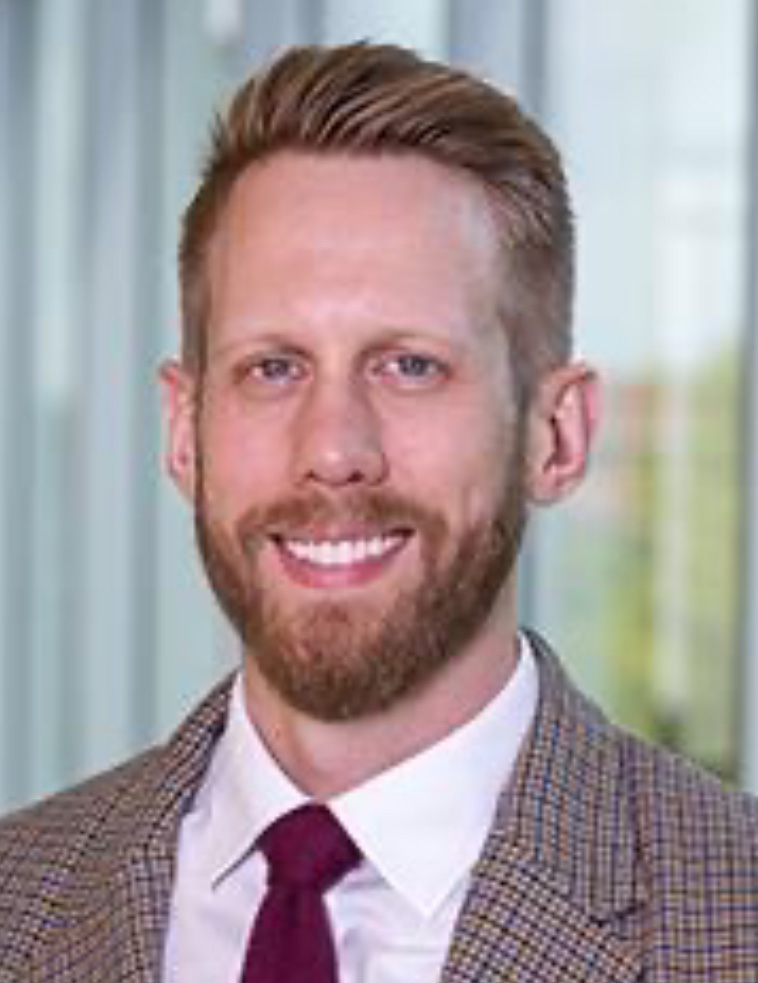
Corbin Eule, MD
Assistant Professor
Genitourinary (GU) Medical Oncology
University of Colorado School of Medicine
Aurora, CO
Corbin Eule, MD, is an Assistant Professor of Medicine in the Division of Medical Oncology at the University of Colorado School of Medicine, specializing in genitourinary oncology. He serves as Director of the Medical Oncology Kidney Cancer Program, Genitourinary Oncology Lead for the University of Colorado Cancer Center Phase One Expansion and Molecular Studies (POEMS) program, and Medical Oncology Lead for Clinical Research at UCHealth Lone Tree Medical Center.
His research focuses on kidney and urothelial cancers, with particular interests in therapeutic clinical trials, real-
world evidence, and improving treatment strategies for rare and understudied patient populations. Dr. Eule serves as a voting member of the NCCN Kidney Cancer Guidelines Panel and is active in the SWOG Genitourinary Cancer Committee.
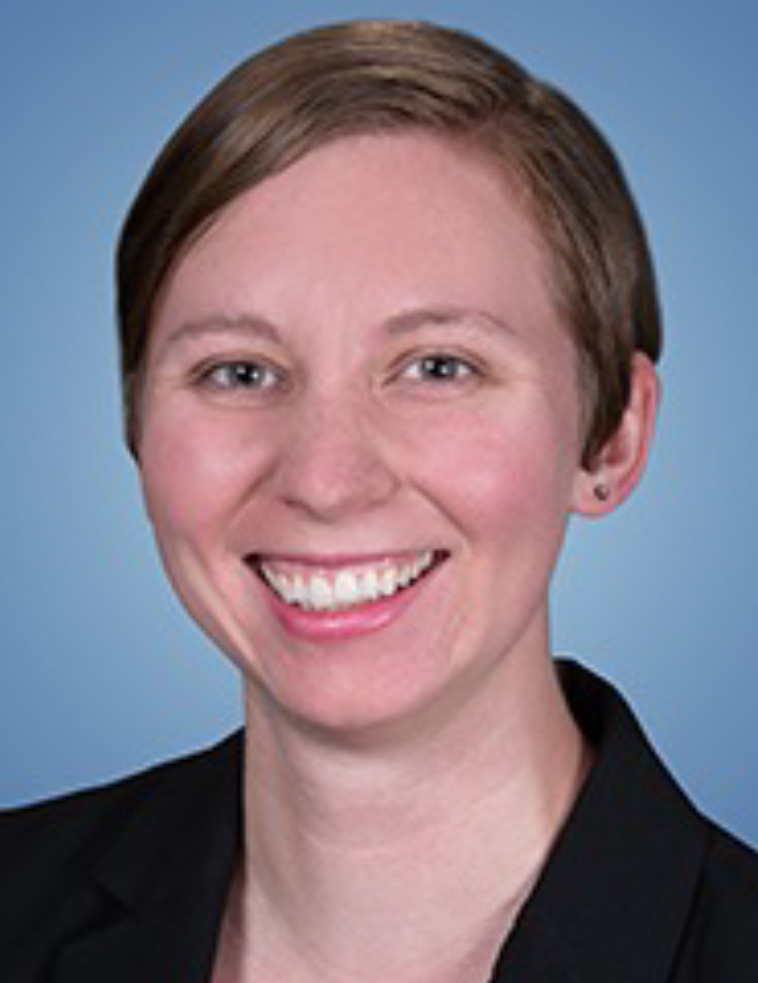
Catherine Fahey, MD, PhD
Assistant Professor of Medicine
Division of Oncology,
University of North Carolina at Chapel Hill
Chapel Hill, NC
Dr. Catherine Fahey is an Assistant Professor of Medicine in the Division of Oncology at the University of North Carolina at Chapel Hill. She is a board-certified medical oncologist and clinical researcher, with a focus on genitourinary (GU) cancers. She treats patients with prostate, kidney, bladder, testis and rare GU tumors. Her research focus is on development of clinical trials that improve patient outcomes and reduce toxicity of treatment.
She completed her MD and PhD in Genetics and Molecular biology at the University of North Carolina at Chapel Hill. She then completed an internal medicine residency at the Hospital of the University of Pennsylvania. She completed a fellowship in Medical Oncology at the Vanderbilt University Medical Center. She is involved in clinical trial development for GU tumors.
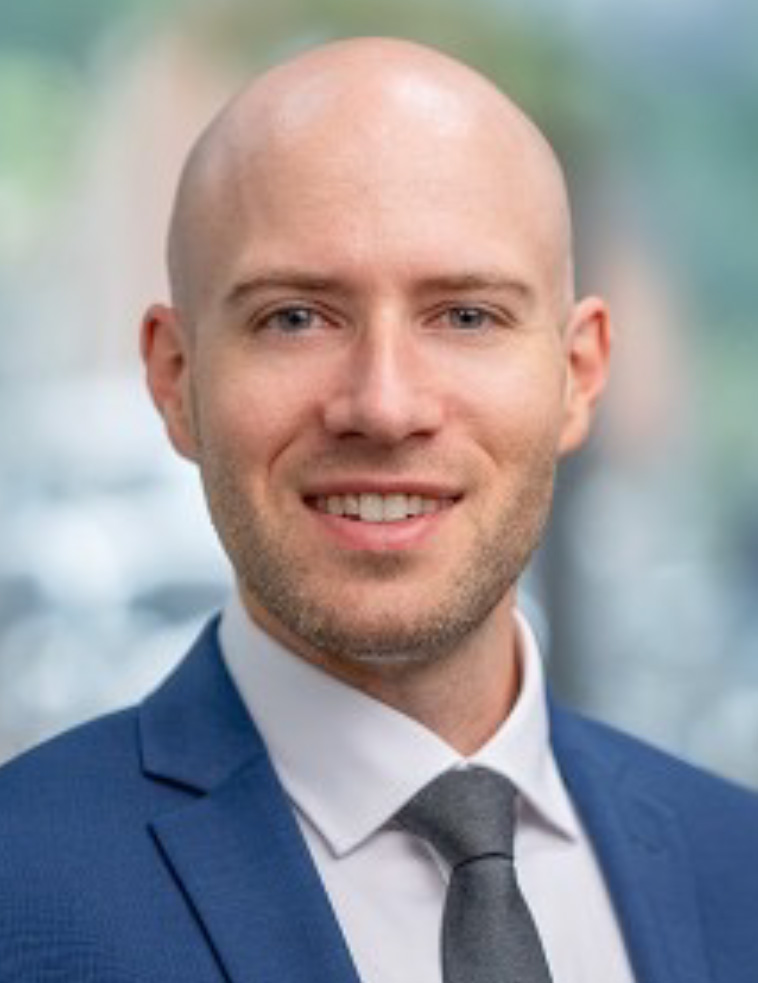
Christopher Gaffney, MD
Assistant Attending Surgeon
Urologic Surgeon
Memorial Sloan Kettering Cancer Center
New York, NY
Dr. Christopher Gaffney is a urologic surgeon and oncologist at Memorial Sloan Kettering Cancer Center (MSKCC), where he specializes in the management of genitourinary malignancies, including prostate, bladder, kidney, and other rare urologic cancers. He sees patients at MSKCC’s Basking Ridge and Monmouth locations in New Jersey and performs surgery at Memorial Hospital and the Josie Robertson Surgery Center in Manhattan. Dr. Gaffney earned his MD from Columbia University Vagelos College of Physicians and Surgeons in 2016 and completed advanced urologic oncology training at Memorial Sloan Kettering Cancer Center.
Dr. Gaffney’s clinical and research interests focus primarily on prostate cancer, with an emphasis on active surveillance, transperineal prostate biopsy, and minimally invasive surgical approaches aimed at optimizing both oncologic outcomes and quality of life. He is actively involved in research efforts designed to improve treatment strategies for men with prostate cancer and collaborates closely with multidisciplinary teams in radiology, pathology, medical oncology, and radiation oncology to advance patient-centered cancer care.
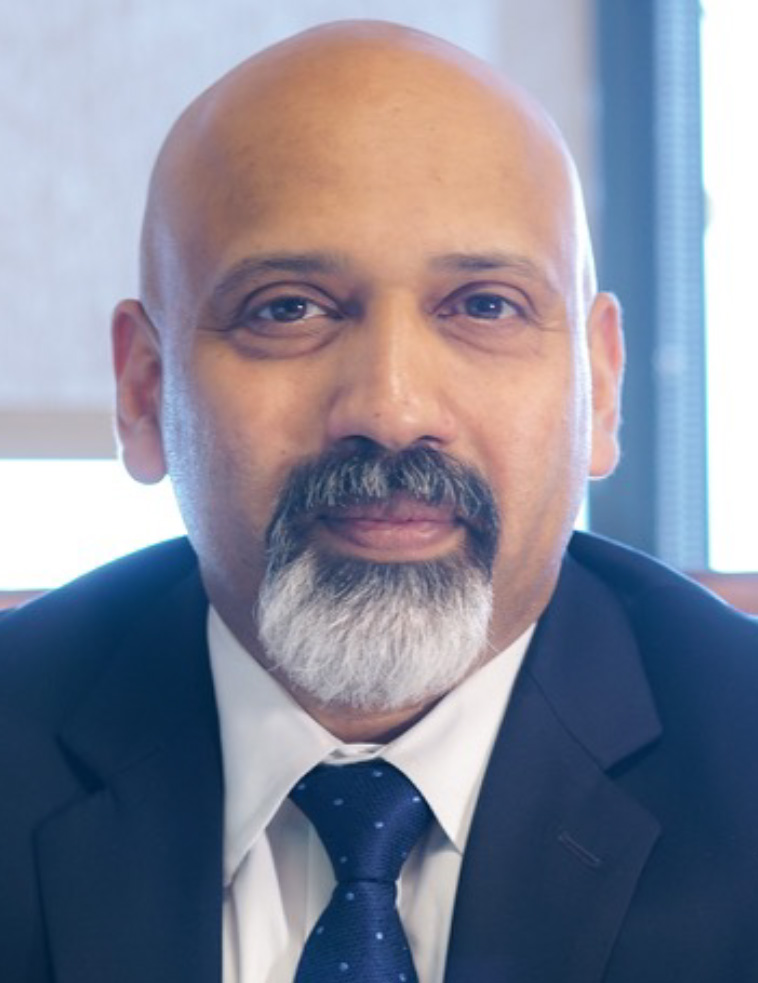
Saby George, MD, FACP
Professor of Oncology
Roswell Park Comprehensive Cancer Center
Director, Network Clinical Trials
Department of Medicine
Buffalo, NY
Saby George, MD, FACP, is a medical oncologist and Professor of Oncology in the Department of Medicine at Roswell Park Comprehensive Cancer Center. He received his medical degree from Kottayam Medical College in Kerala, India, and completed his internal medicine residency at Wright State University in Dayton, Ohio. He subsequently completed fellowships in experimental therapeutics at Cleveland Clinic’s Taussig Cancer Institute and in medical oncology at The University of Texas Health Science Center at San Antonio.
Dr. George specializes in genitourinary malignancies, with particular expertise in kidney and prostate cancers. His research focuses on clinical trials, novel drug development, mechanisms of resistance to tyrosine kinase inhibitors, response assessment, and biomarker development in kidney cancer, as well as castration-resistant prostate cancer and optimization of androgen-deprivation strategies. He also serves as Director of Network Clinical Trials at Roswell Park and has led clinical studies evaluating novel systemic therapies for advanced renal cell carcinoma.
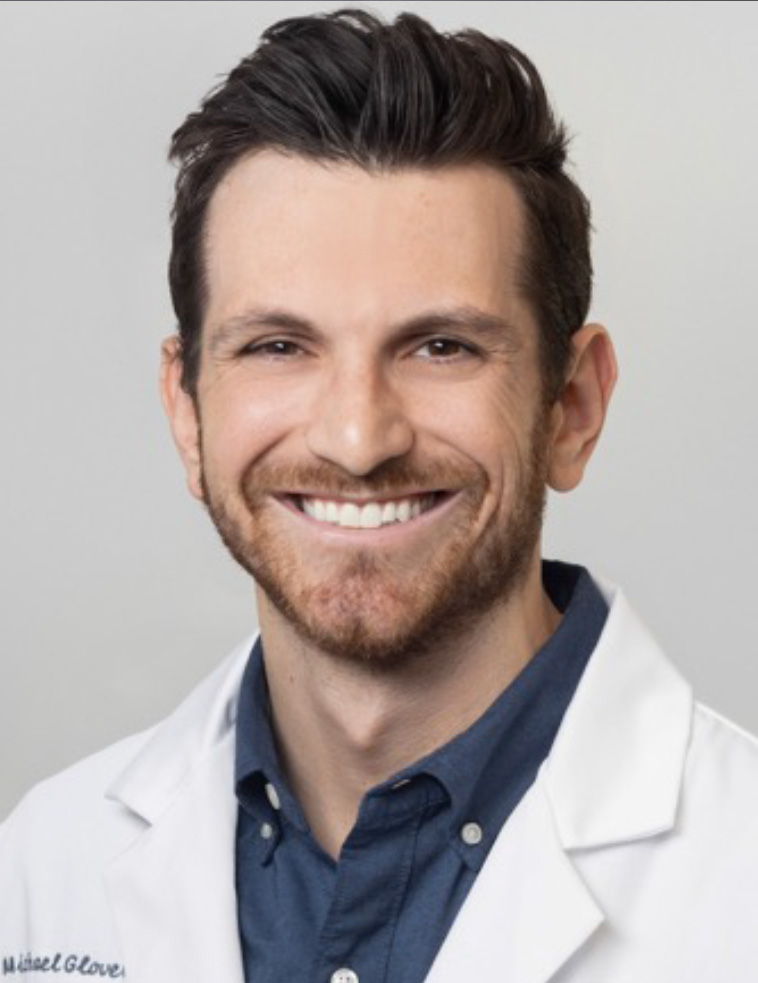
Michael Glover, MD
Assistant Professor
Department of Genitourinary Medical Oncology
Division of Cancer Medicine
The University of Texas MD Anderson Cancer Center
Houston, Texas
Michael Glover MD is an Assistant Professor of Genitourinary Medical Oncology at The University of Texas MD Anderson Cancer Center. He specializes in the care of patients with germ cell tumors and other rare genitourinary cancers, including adrenal malignancies. His research focuses on understanding the mechanisms of cisplatin-resistant germ cell tumors and designing novel therapies to exploit these mechanisms.
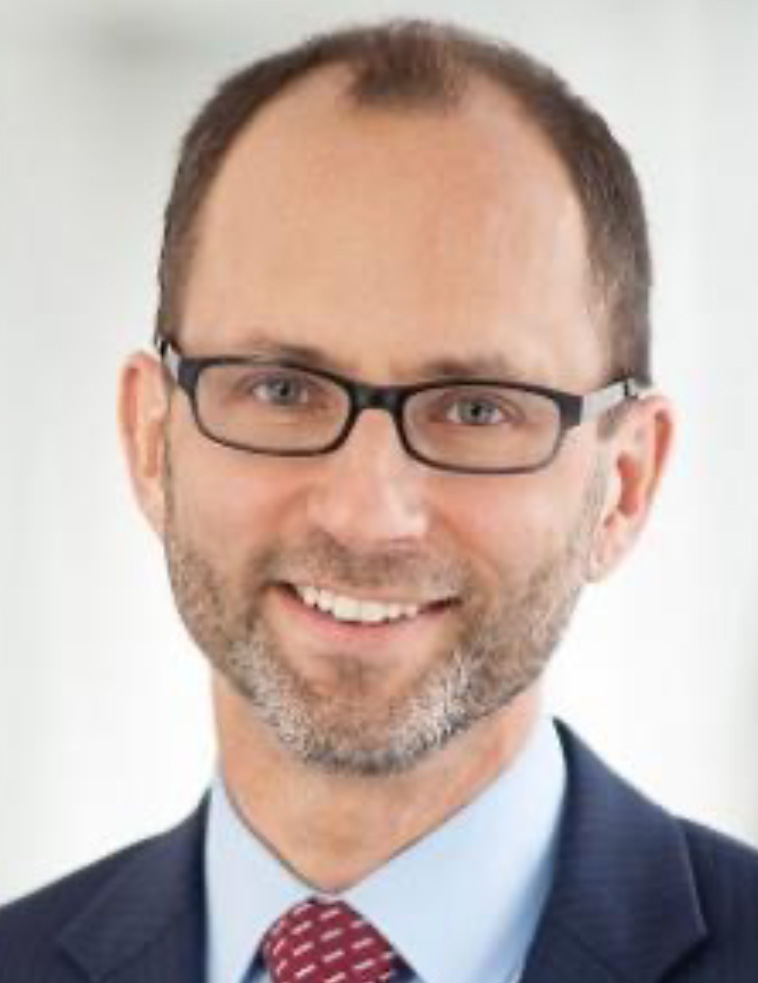
Timothy Gilligan, MD
Executive Medical Director & Chair
Sutter Health’s cancer center
San Francisco, CA
Dr. Timothy Gilligan is a Executive medical director and chair in Sutter Health cancer center. Dr. Gilligan earned his MD from the Stanford University School of Medicine and completed his residency training in internal medicine at Brigham and Women’s Hospital, followed by a fellowship in medical oncology at the Dana-Farber Cancer Institute in Boston, Massachusetts.
Dr. Gilligan’s clinical and research interests focus primarily on genitourinary oncology, with an emphasis on testis cancer survivorship. He is an internationally recognized expert in the field and currently chairs the National Comprehensive Cancer Network (NCCN) Testis Cancer panel. He specializes in the management of urologic malignancies, including cancers of the testicles, bladder, prostate, and kidneys, with a particular interest and focus on cancer survivorship. He sees patients at the Cleveland Clinic Main Campus and has previously served as the medical director of the inpatient oncology unit and Program Director of the Hematology-Oncology Fellowship.
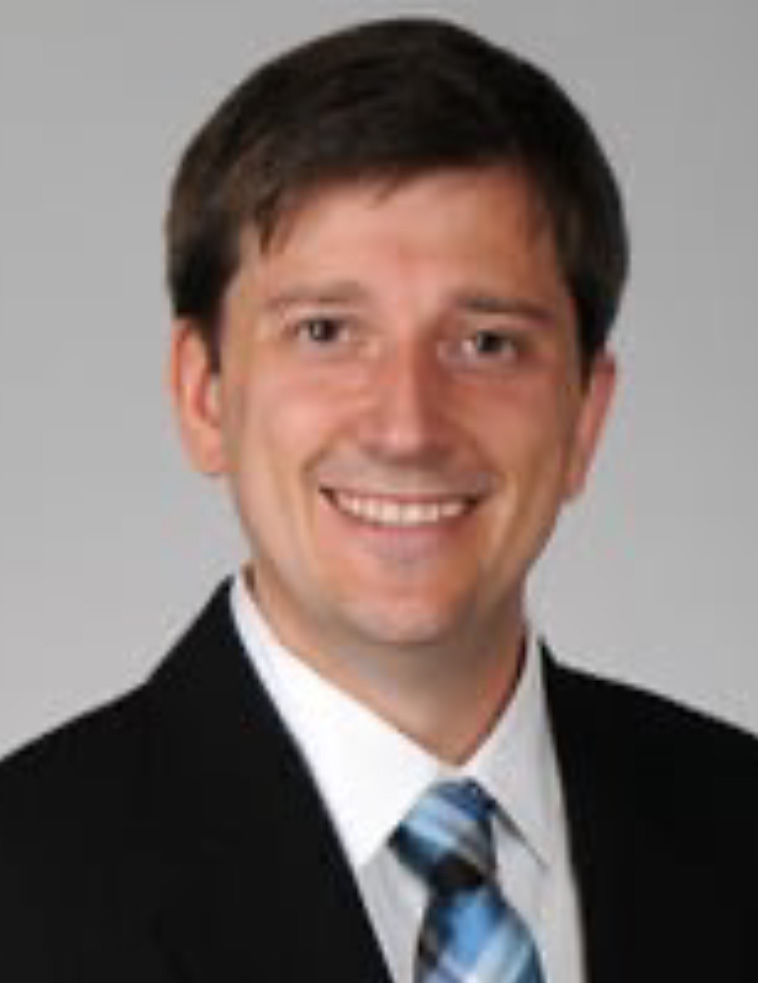
Theodore Stewart Gourdin, MD
Associate Professor
Genitourinary Medical Oncology
Hollings Cancer Center/ Medical University of South Carolina
Charleston, SC
Dr. Theodore S. Gourdin is Associate professor and board-certified oncologist specializing in genitourinary cancer. His medical degree was awarded by the University of South Carolina School of Medicine. He completed his residency in internal medicine at Tulane University School of Medicine and his fellowship in hematology/oncology at the University of Maryland Marlene and Stewart Greenebaum Cancer Center.
Dr. Gourdin has a particular clinical interest in urothelial cancer of the bladder, with a focus on multidisciplinary, patient-centered management across the disease continuum. His work reflects a strong commitment to advancing care for patients with genitourinary malignancies through evidence-based treatment approaches, clinical expertise.
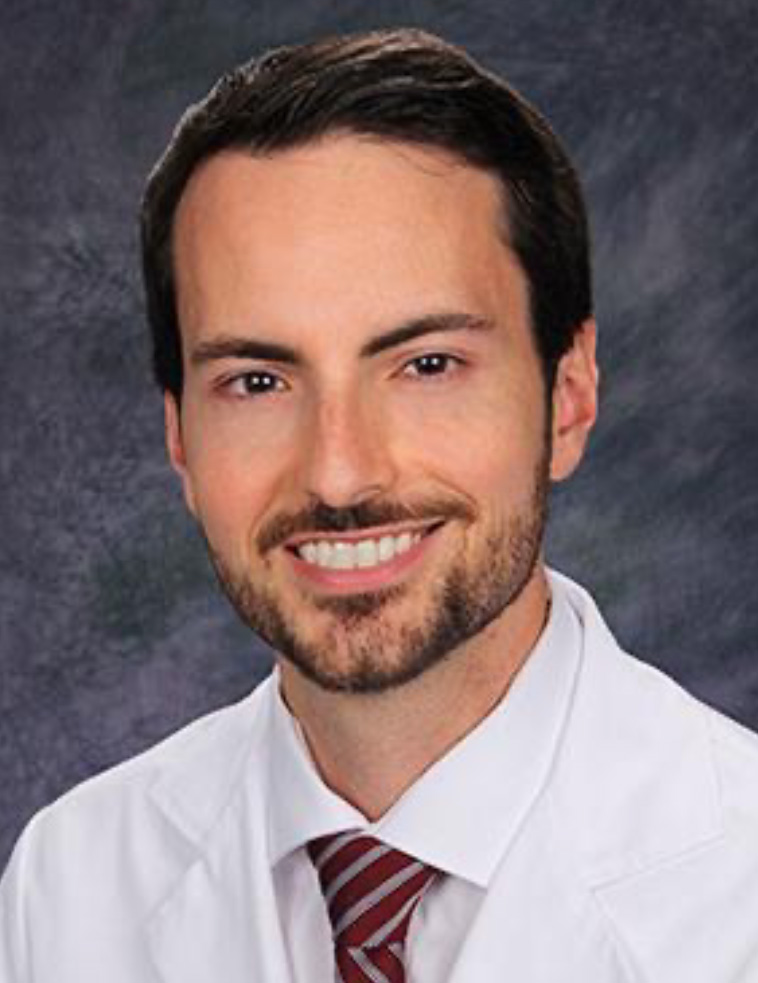
Brendan J. Guercio, MD
Assistant Professor, Department of Medicine
Director for Genitourinary Medical Oncology
James P. Wilmot Cancer Institute
University of Rochester Medical Center
Rochester, NY
Dr. Brendan J. Guercio is an assistant professor and board-certified medical oncologist specializing in genitourinary malignancies. He earned his medical degree from Harvard Medical School, followed by his internship and residency training in internal medicine at Brigham and Women’s Hospital. He then completed a specialized fellowship in hematology and oncology at Memorial Sloan Kettering Cancer Center, where he also served as a Visiting Investigator, alongside a prior appointment as an Instructor of Medicine at Harvard Medical School.
Dr. Guercio clinical expertise focuses on the use of cutting-edge immunotherapy, chemotherapy, and hormone therapy for urologic cancers. An active researcher, he has received Young Investigator Awards from the Bladder Cancer Advocacy Network (BCAN) and the ASCO Conquer Cancer Foundation, with ongoing research support from the NIH/NCI to develop novel therapeutic approaches through clinical trials.
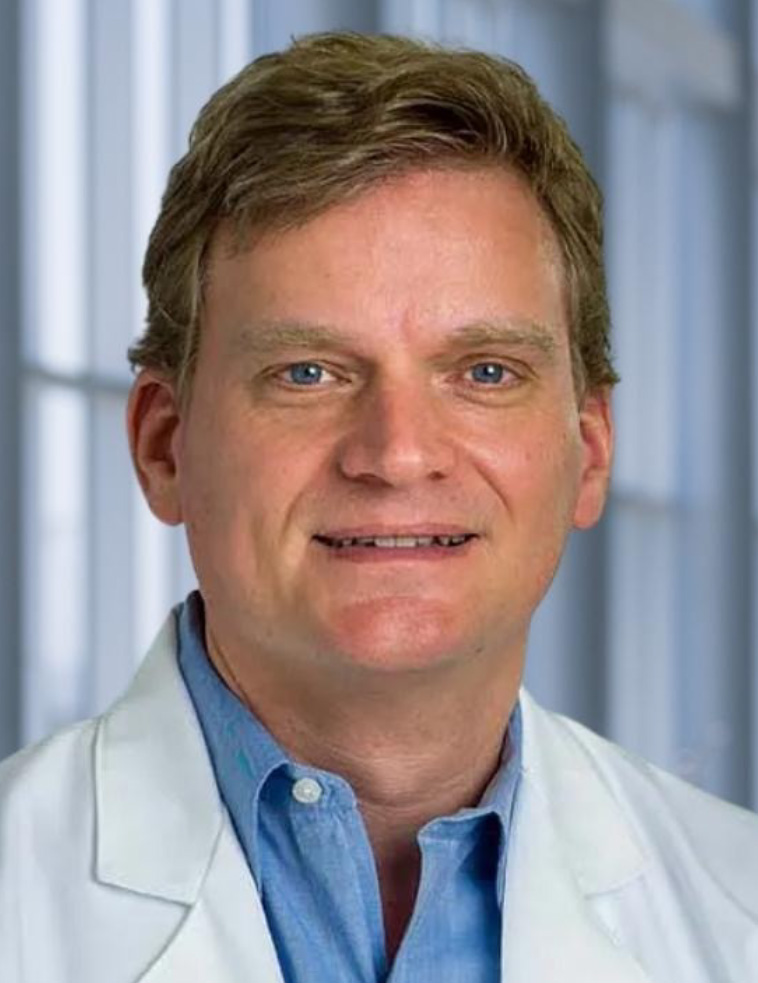
Hans Hammers, MD, PhD
Professor
Eugene P. Frenkel, M.D. Scholar in Clinical Medicine
Department of Internal Medicine
Division of Hematology and Oncology
UT Southwestern Medical Center
Dallas, TX
Hans Hammers, MD, PhD, is a Professor in the Department of Internal Medicine and a member of the Division of Hematology and Oncology at UT Southwestern Medical Center, where he serves as the inaugural Eugene P. Frenkel, MD Scholar in Clinical Medicine. Originally from Germany, Dr. Hammers earned both his medical degree and PhD from the Medical University of Lübeck. He completed his residency in internal medicine at Johns Hopkins Bayview Medical Center, followed by a fellowship in medical oncology at the Sidney Kimmel Comprehensive Cancer Center at Johns Hopkins University. Prior to joining UT Southwestern in 2016, he led kidney cancer research efforts at Johns Hopkins and played a key role in the early clinical development of immune checkpoint inhibitors in renal cell carcinoma.
Dr. Hammers is an internationally recognized expert in genitourinary oncology, with a primary research focus on the development of novel immunotherapy strategies and targeted therapies for kidney cancer. His work has contributed significantly to advancing immune checkpoint blockade and combination immunotherapy approaches in renal cell carcinoma, and he has served as principal investigator on numerous industry- and investigator-sponsored clinical trials. At UT Southwestern, he is co-leader of clinical research and immunotherapy within the Kidney Cancer Research Program and the Experimental Therapeutics Program, where he continues to lead translational and clinical research efforts aimed at improving outcomes for patients with advanced kidney cancer.
Elshad Hasanov, MD, PhD
Assistant Professor
Department of Internal Medicine
Division of Medical Oncology
The Ohio State University College of Medicine
The Ohio State University Comprehensive Cancer Center
Columbus, OH
Elshad Hasanov, MD, PhD, is an Assistant Professor in the Department of Internal Medicine, Division of Medical Oncology, at The Ohio State University College of Medicine. He earned both his medical degree and a PhD in Tumor Biology and Immunology from Hacettepe University Faculty of Medicine in Turkey. He subsequently completed his internal medicine residency at McGovern Medical School at UTHealth Houston, followed by a medical oncology fellowship at The University of Texas MD Anderson Cancer Center.
His research interests include renal cell carcinoma, the tumor immune microenvironment, brain metastases, biomarker discovery, and precision oncology. Through his clinical and translational research, Dr. Hasanov aims to improve treatment selection and outcomes for patients with advanced genitourinary cancers.
Michael E. Hurwitz, MD
Associate Professor of Medicine
Yale Cancer Center
Program Director, Hematology/Oncology Fellowship
Yale School of Medicine
New Haven, CT
Dr. Michael Hurwitz is an Associate Professor and board-certified medical oncologist specializing in genitourinary malignancies. He earned his undergraduate degree in biochemical sciences from Harvard College, followed by a PhD from Rockefeller University and his medical degree from Cornell University Medical College. He completed his residency in medicine at The New York Presbyterian Hospital – Weill Cornell Campus, a fellowship at the Dana-Farber Cancer Institute/Brigham and Women’s Hospital/Massachusetts General Hospital, and a postdoctoral fellowship at the Massachusetts Institute of Technology.
Dr. Hurwitz treats patients at the Smilow Cancer Hospital at Yale New Haven, where he has dedicated over 20 years to caring for individuals with kidney, bladder, prostate, and testicular cancers. His primary research and clinical focus centers on expanding access to innovative clinical trials, particularly evaluating immune cell-based treatments like CAR-T and tumor-infiltrating lymphocyte (TIL) therapies for solid tumor malignancies.
Arif Hussain, MD
Professor of Medicine
Department of Medicine
University of Maryland School of Medicine
Co-Leader, Hormone Responsive Cancers Program
University of Maryland Greenebaum Comprehensive Cancer Center
Baltimore, MD
Dr. Arif Hussain is a Professor of Medicine at the University of Maryland School of Medicine and a medical oncologist specializing in genitourinary malignancies. He earned his medical degree from Howard University College of Medicine. He completed his residency at Washington Hospital Center and a fellowship in hematology/oncology at the University of Maryland Cancer Center, with additional research training in molecular biology at Memorial Sloan Kettering Cancer Center.
Dr. Hussain is a member of the University of Maryland Greenebaum Comprehensive Cancer Center, where he serves as Co-Leader of the Hormone Responsive Cancers Program and Co-Leader of the Translational Working Group. His clinical and research interests focus on genitourinary cancers, particularly prostate cancer, with an emphasis on translational research, biomarker-driven approaches, and the development of novel therapeutic strategies for patients with hormone-responsive malignancies
Maneesh Jain, MD
Associate Professor of Medicine
Department of Medicine
George Washington University School of Medicine and Health Sciences
Washington, DC
Dr. Maneesh Jain is an Associate Professor of Medicine in the Department of Medicine at the George Washington University School of Medicine and Health Sciences. He received his BA from the University of Virginia, MS from Chicago Medical School, and MD from Chicago Medical School. Dr. Jain is a physician specializing in hematology, oncology, and internal medicine, with a clinical and academic focus in genitourinary oncology. At George Washington University, his work is aligned with the Department of Medicine and the School of Medicine and Health Sciences, where his listed research interests include genitourinary oncology.
His broader academic background includes experience in hematology and oncology, with prior faculty roles in academic medicine. Dr. Jain’s clinical and scholarly interests span oncology, hematology, and cancer care, with particular relevance to genitourinary malignancies and multidisciplinary oncology practice.
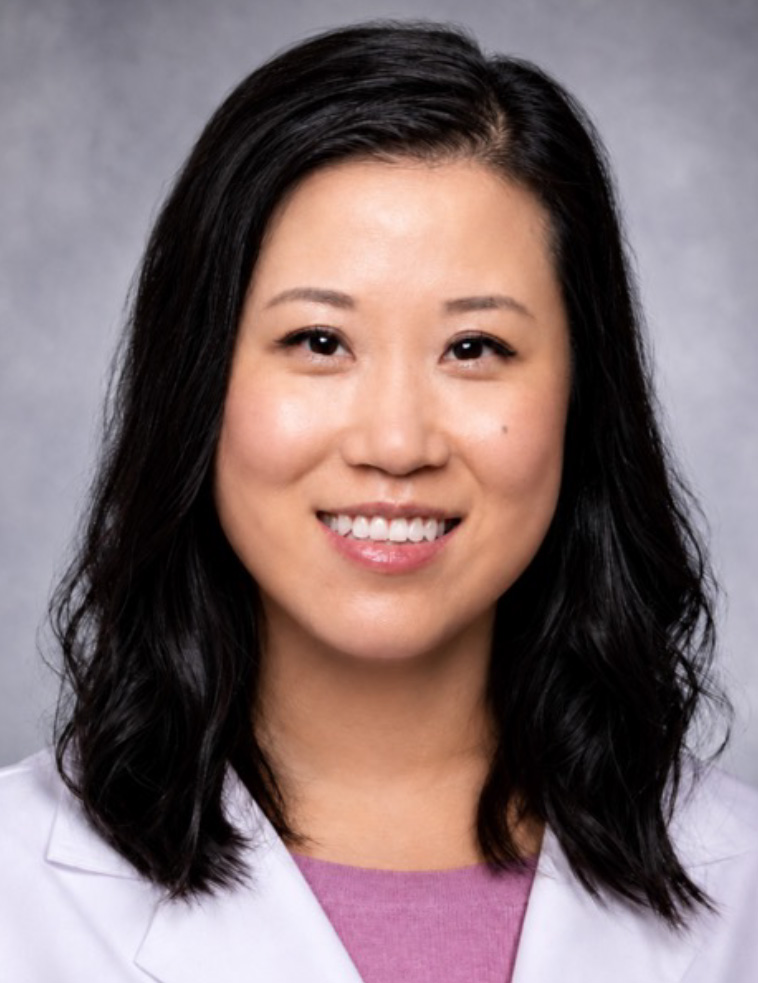
Angela Y. Jia, MD, PhD
Assistant Professor, Radiation Oncology
Director, GU Radiation Oncology
Co-Lead, GU Disease Program
Associate Residency Program Director
University Hospitals Cleveland Medical Center
Cleveland, OH
Dr. Angela Jia is Assistant Professor in radiation oncology and specializing in genitourinary cancers. Her medical degree was awarded by Weill Cornell Medical College, and she earned her PhD in pathobiology and molecular medicine from Columbia University. She completed her internship in internal medicine at the University of Maryland Medical Center and her residency in radiation oncology at Johns Hopkins University School of Medicine.
Dr. Jia’s clinical expertise includes stereotactic body radiation therapy (SBRT) and adaptive radiotherapy for prostate, kidney, and bladder cancers. She has a particular interest in advancing radiation oncology technology through innovative clinical trials using radiopharmaceuticals.
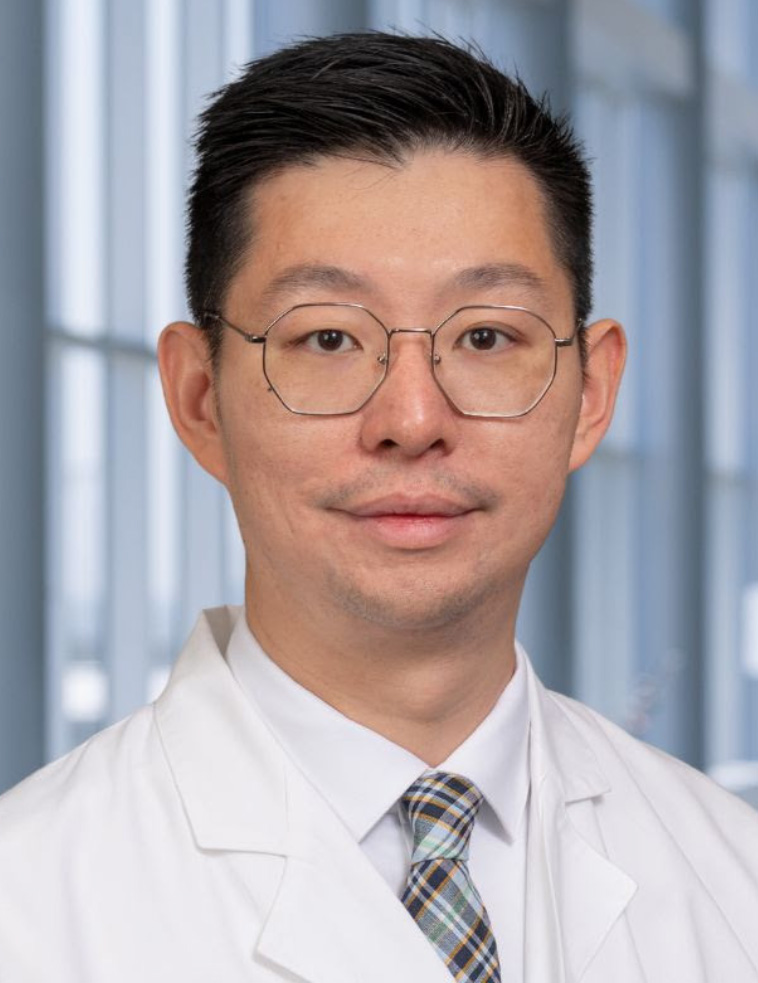
Changchuan (Charles) Jiang, MD, MPH
Assistant Professor, GU Medical Oncology
Division of Hematology and Oncology, Department of Internal Medicine
University of Texas Southwestern Medical Center
Dallas, TX
Dr. Charles Jiang is an Assistant Professor of Genitourinary Medical Oncology in the Division of Hematologyand Oncology at UT Southwestern Medical Center’s Simmons Comprehensive Cancer Center in Dallas. He earned his MD from Soochow University in China and his MPH from Yale, and is board-certified in medical oncology, with a clinical focus on genitourinary cancers and a research focus on using real-world evidence to improve quality cancer care for all.
His research centers on healthcare access and real-world evidence in genitourinary oncology. As principal investigator on an ASCO Career Development Award and an American Cancer Society–funded proposal, he studies how to expand clinical trial access and improve representativeness in trial enrollment, alongside efforts to broaden access to precision oncology and supportive care. He has authored many publications on high-impact journals such as Nature Review Clinical Oncology, Lancet Oncology, and JAMA Oncology, and serves in leadership roles in organization in ASCO and MASCC.
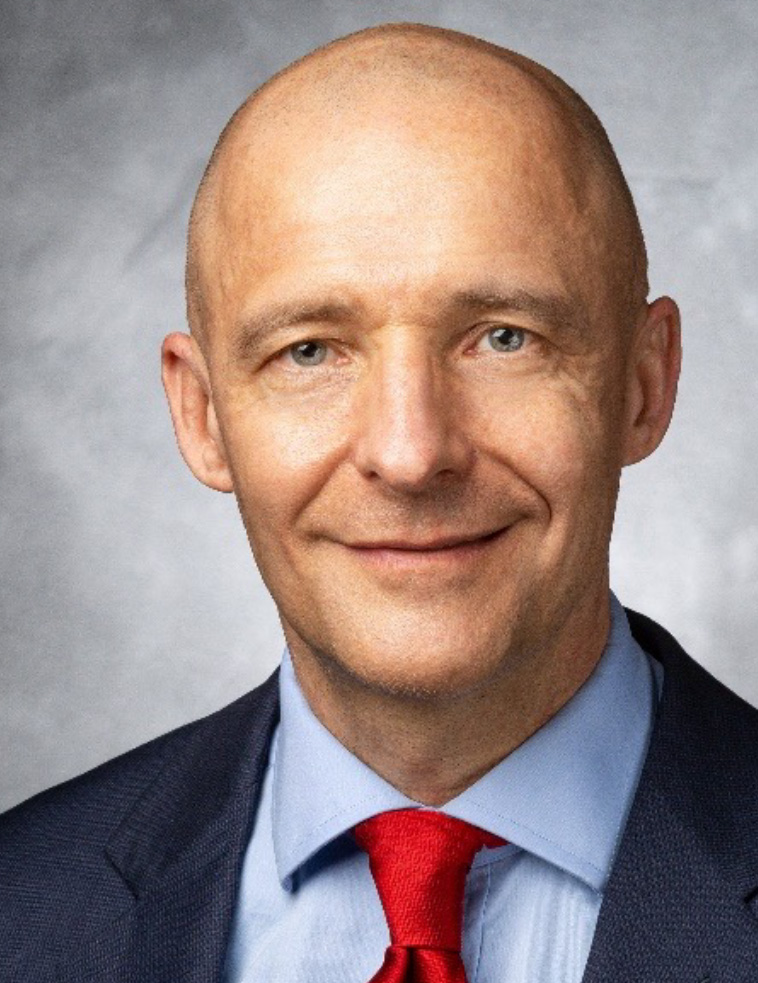
Eric Jonasch, MD
Professor
Department of Genitourinary Medical Oncology
Division of Cancer Medicine
The University of Texas MD Anderson Cancer Center
Houston, TX
Dr. Jonasch is Professor in the Department of Genitourinary Medical Oncology, Division of Cancer Center at the University of Texas M. D. Anderson Cancer Center in Houston, Texas. He is director of the VHL Clinical Center at the MD Anderson Cancer Center, co-Director of the MD Anderson Kidney Cancer Research Program, and performs clinical, translational and basic research in kidney carcinoma and VHL disease.
Dr. Jonasch has authored over 190 articles published in peer-reviewed journals and is editor of the textbook: Kidney Cancer, Principles and Practice. Dr. Jonasch has a long history of service in the kidney cancer community. He serves as Vice-Chair of the NCCN Kidney Cancer Guideline Panel, is a member of the U.S. NCI Renal Task Force and is a Board member of the VHL Alliance.
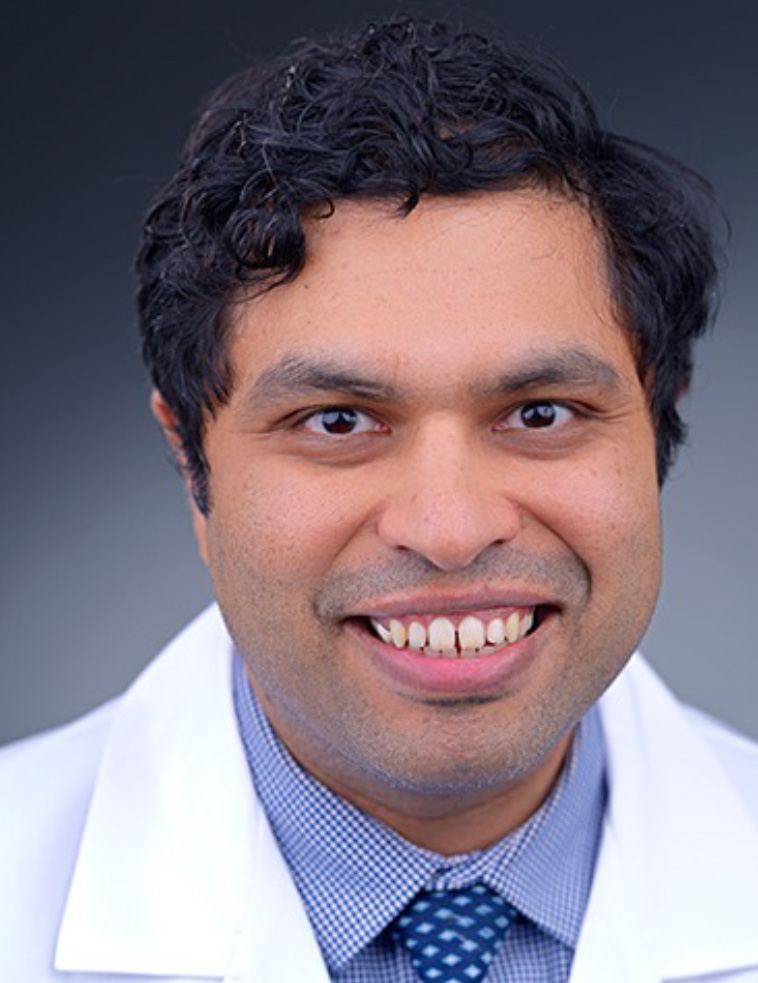
Prateek Khanna, MBBS
Medical Oncologist
Dana-Farber Cancer Institute
Instructor in Medicine
Harvard Medical School
Boston, MA
Prateek Khanna, MBBS, is a medical oncologist at Dana-Farber Cancer Institute and an Instructor in Medicine at Harvard Medical School in Boston, MA. He received his MBBS from the University of Delhi, India, completed postdoctoral research at Beth Israel Deaconess Medical Center, followed by internal medicine residency at Mount Auburn Hospital, geriatric medicine fellowship at NYU Grossman School of Medicine, and hematology/oncology fellowship at Dana-Farber.
Dr. Khanna specializes in genitourinary oncology, with research interests in kidney and prostate cancer. His work has focused on mechanisms of resistance to VEGFR tyrosine kinase inhibitors in clear cell renal cell carcinoma, and he received a 2023 Kidney Cancer Association Translocation RCC Focus Award for research on therapeutic targeting of cell-surface antigens in translocation renal cell carcinoma.
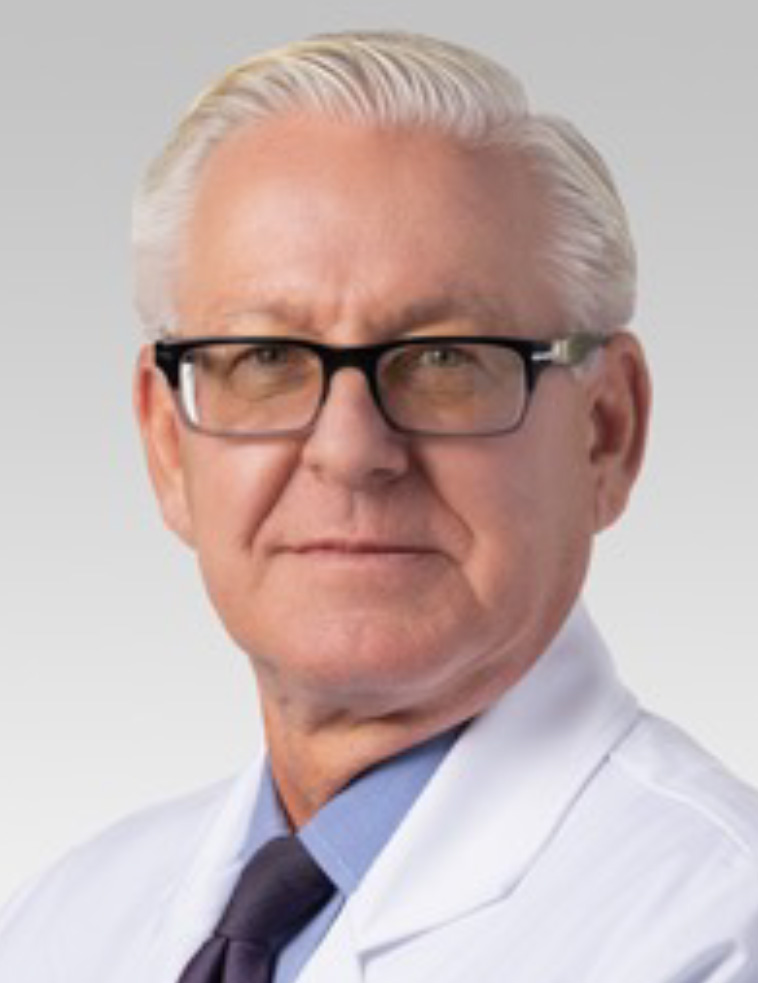
Timothy M. Kuzel, MD, FACP
Clinical Professor of Medicine, Feinberg School of Medicine, Northwestern University
Associate Director of Clinical Research Network, Robert H. Lurie Comprehensive Cancer Center
Distinguished Physician, St George Foundation
Oncology Service Line Director, NM South Region
Chicago, IL
Dr. Kuzel received his medical degree from the University of Michigan in 1984. He completed an internship and residency in internal medicine, as well as a fellowship in hematology/oncology at Northwestern University. He is board certified in internal medicine and oncology, and is board eligible in hematology, and is a diplomate of the National Board of Medical Examiners.
Dr. Kuzel was on the faculty of Northwestern University from 1990 thru 2016 achieving status of full Professor of Medicine with a joint appointment in Dermatology. While there he directed the GU and Cutaneous Oncology Programs for over 25 years. He has had a long interest in developing novel immunotherapy approaches to the diseases in the program and was the Director of the Driskill Immunotherapy Research Program at Northwestern University, a program focused on developing novel laboratory and clinical approaches for immunology-based treatments of prostate cancer. Dr Kuzel was the Chief of the Division of Hematology/Oncology/Cell therapy at Rush University Medical School from 2016 thru 2023. He is now a Clinical Professor of Medicine at the Feinberg School of Medicine of Northwestern University, oncology service line director of the south region of Northwestern Medicine, and an Associate Director for the Northwestern Medicine network in cancer clinical research in the Robert H. Lurie Comprehensive cancer center of Northwestern University.
Dr. Kuzel has received an American Cancer Society Clinical Oncology Career Development Award early in his career, received teaching awards at Northwestern University and has been frequently listed as one of Chicago’s and US News and World Reports Best Doctors. He has authored or co-authored over 350 journal articles, editorials, and book chapters and has edited several textbooks.
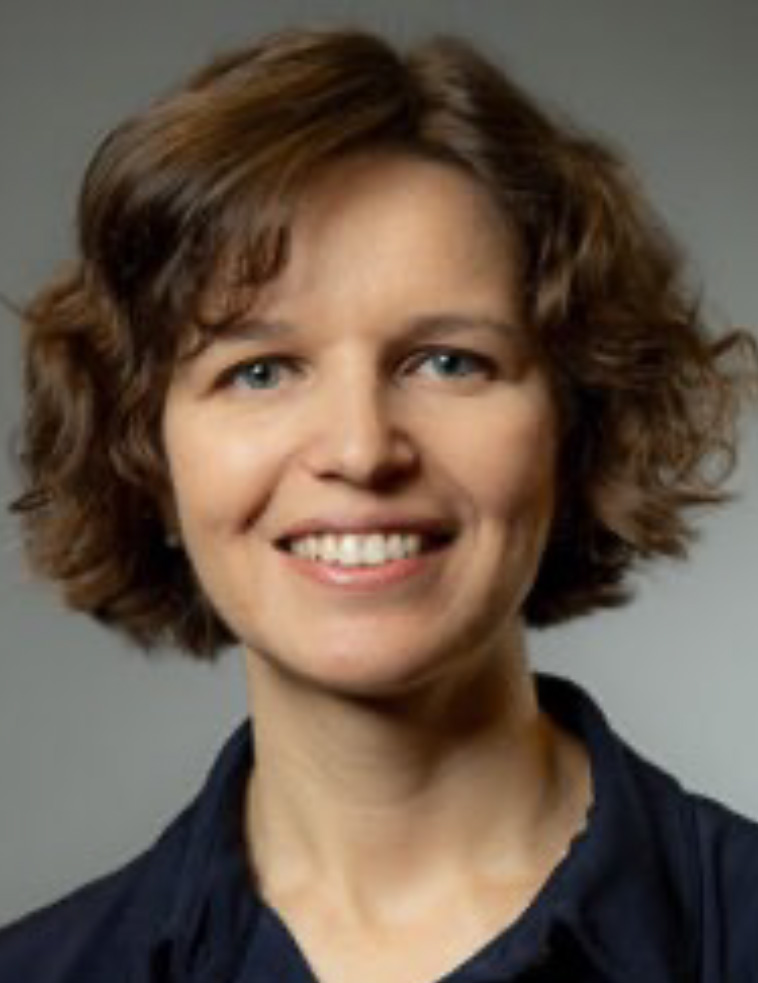
Galina Grigoriev Lagos, MD
Assistant Professor of Medicine
The Warren Alpert Medical School
Brown University
Providence, RI
Dr. Galina Lagos is a medical oncologist and Assistant Professor of Medicine at The Warren Alpert Medical School of Brown University. She practices at the Brown University Health Cancer Institute, where she specializes in the treatment of genitourinary malignancies and sarcomas, with particular clinical and research interests in bladder cancer and sarcoma. Dr. Lagos earned her medical degree from Columbia University Vagelos College of Physicians and Surgeons. She completed her internal medicine residency and fellowship in hematology and oncology at Columbia University Medical Center.
Her academic work focuses on advancing cancer treatment through clinical and translational research, including immunotherapy, novel therapeutics, and molecular characterization of sarcomas and genitourinary cancers. She also serves as an associate program director for the hematology/oncology fellowship at Brown and is dedicated to training the next generation of physicians and researchers.
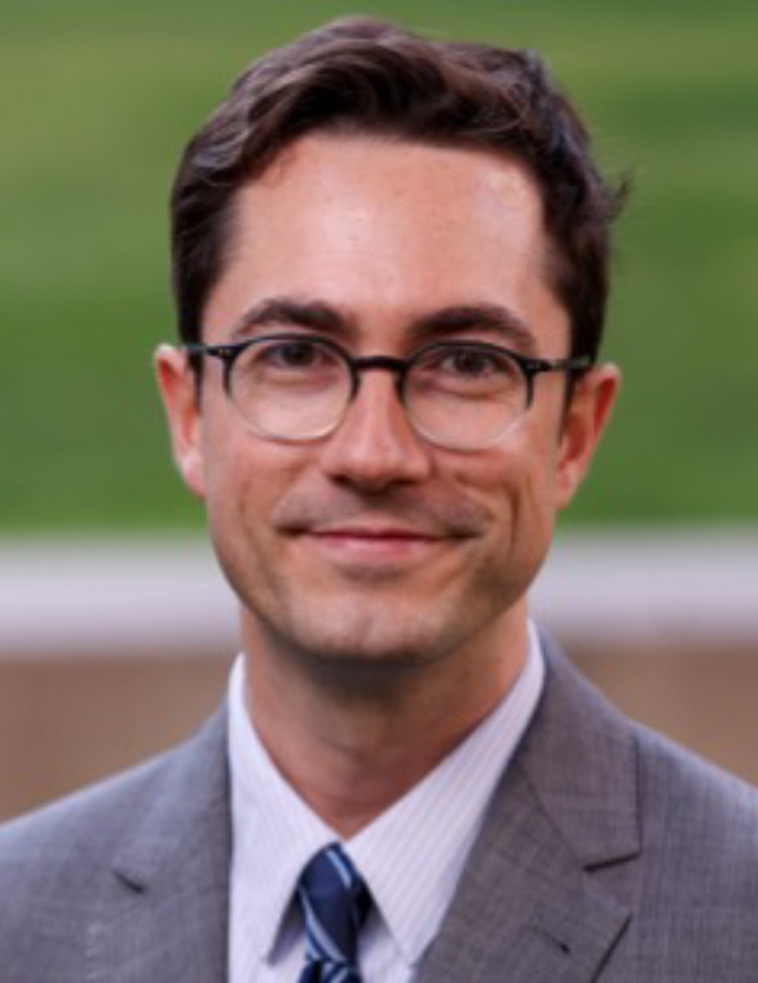
Andrew T. Lenis, MD
Assistant Professor of Urology
Department of Urology
Columbia University Irving Medical Center
New York, NY
Andrew T. Lenis, MD MS is an Assistant Professor of Urology at Columbia University Irving Medical Center (CUIMC). He specializes in the treatment of patients with bladder, kidney, prostate, testis and penile cancers. Dr. Lenis joined CUIMC as a surgeon-scientist with an interest and specialization in urothelial cancer. In the laboratory, Dr. Lenis works and collaborates with Michael Shen, PhD who is an expert in bladder and prostate developmental and molecular biology, and a pioneer in bladder tumor organoids.
Dr. Lenis’ research has been funded by the American Urological Association, the American Cancer Society, and the American Society for Clinical Oncology. Most recently he is funded by the Herbert Irving Comprehensive Cancer Center Clinical Trialist Early Career Development Scholars Award to support an investigator-initiated bench-to-bedside clinical trial in non-muscle invasive bladder cancer.
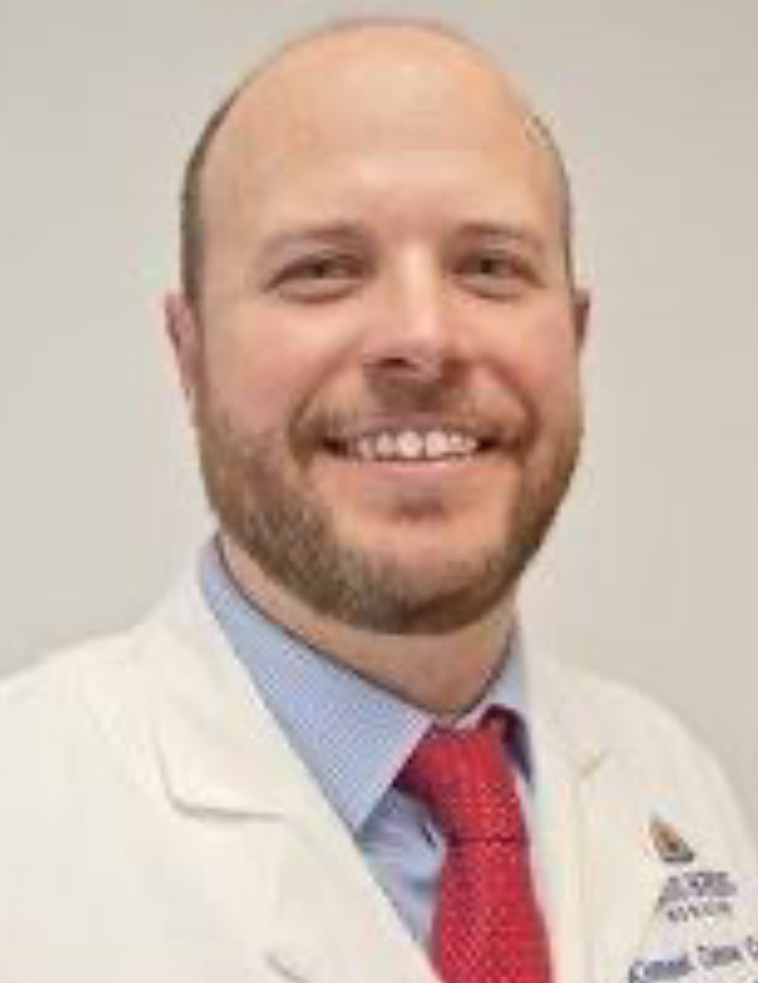
Mark C. Markowski, MD, PhD
Associate Professor, Medical Oncology
Director of Genitourinary Medical Oncology, National Capital Region
Sidney Kimmel Comprehensive Cancer Center
Johns Hopkins University School of Medicine
Baltimore, MD
Mark C. Markowski, MD, PhD is an Associate Professor of Oncology at the Johns Hopkins University School of Medicine and a medical oncologist at the Sidney Kimmel Comprehensive Cancer Center, with clinical practices at both The Johns Hopkins Hospital and Sibley Memorial Hospital. He earned his MD and PhD in Tumor Biology from Georgetown University School of Medicine, completed his residency in Internal Medicine at Columbia University/NewYork-Presbyterian Hospital, and subsequently completed a fellowship in Medical Oncology at Johns Hopkins Hospital
Dr. Markowski’s clinical and translational research focuses on advanced genitourinary malignancies, particularly prostate and kidney cancers, with an emphasis on early-phase drug development, androgen receptor signaling, bipolar androgen therapy, precision oncology, and novel therapeutic strategies for metastatic castration-resistant prostate cancer (mCRPC). He serves as a principal investigator on multiple investigator-initiated and multicenter clinical trials supported by the Department of Defense and the Prostate Cancer Foundation. His work has contributed to advancing androgen-based treatment approaches, biomarker-driven therapies, and next-generation targeted treatments, and he has authored numerous influential publications in the field of genitourinary oncology.
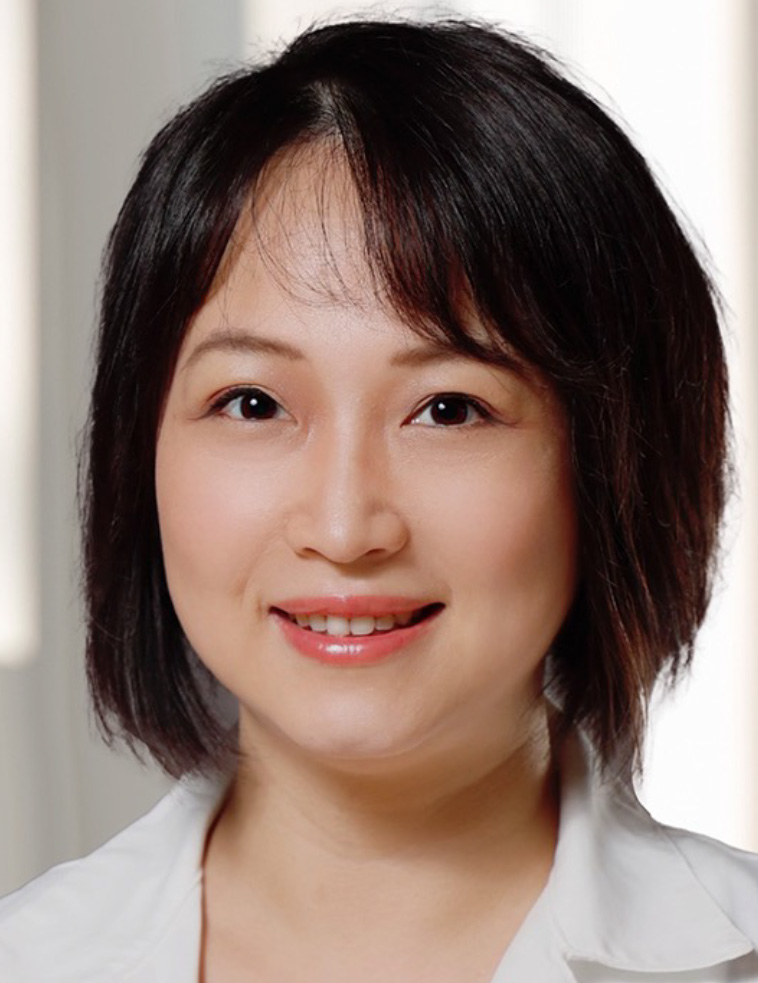
Lingbin Meng, MD, PhD
Assistant Professor of Internal Medicine
Division of Medical Oncology
The Ohio State University Comprehensive Cancer Center
Columbus, OH
Dr. Lingbin Meng is a medical oncologist and clinician-scientist at The Ohio State University Comprehensive
Cancer Center-James (OSUCCC-James), specializing in genitourinary (GU) malignancies. Her work bridges the laboratory and the clinic to advance new treatments for prostate, bladder, and kidney cancers. She completed her Hematology/Oncology fellowship at the H. Lee Moffitt Cancer Center, where she received the ASCO Conquer Cancer Merit Award.
Dr. Meng serves as site principal investigator for multiple early-phase clinical trials testing novel immunotherapies in advanced prostate and bladder cancers, and is developing investigator-initiated trials with industry partners. Her research focuses on overcoming immunotherapy resistance in GU cancers, circulating tumor DNA as a predictive biomarker, and the discovery of CNPY2 as a candidate biomarker and therapeutic target in renal cell carcinoma. Her work is supported by an OSU Translational Seed Grant, the NIH/NCI Paul Calabresi Career Development Award (K12), the Research Innovation Career Development Award, and the 2026 ASCO Conquer Cancer Career Development Award.
She has published more than 80 peer-reviewed articles, including over 20 as first or corresponding author, and serves on the editorial boards of Cancer Drug Resistance and Clinical Genitourinary Cancer. She serves as Clinical Research Chair for SAU and has been named a Castle Connolly “Top Doctor,” recognized among the top 7% of physicians nationwide.
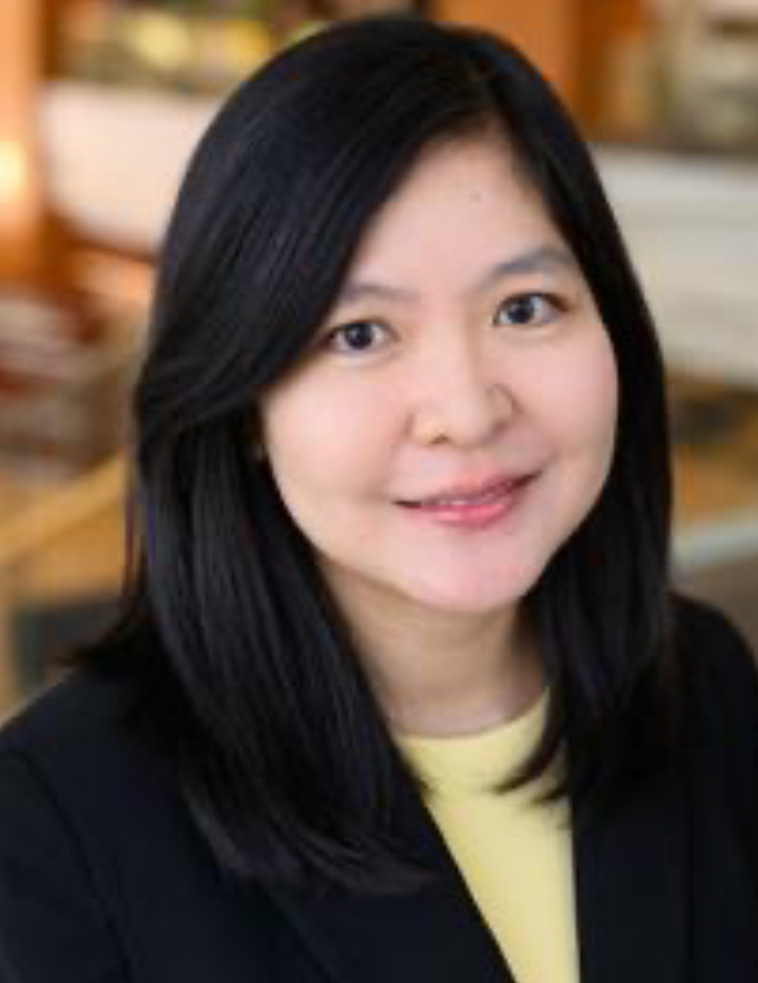
Zin W. Myint, MD
Associate Professor of Internal Medicine
Division of Medical Oncology
Department of Internal Medicine
University of Kentucky College of Medicine
Markey Cancer Center
Lexington, KY
Zin W. Myint, MD, is an Associate Professor of Internal Medicine in the Division of Medical Oncology at the University of Kentucky College of Medicine and a medical oncologist at Markey Cancer Center. She earned her medical degree from the University of Medicine, Mandalay, Myanmar, completed her internal medicine residency at MedStar Union Memorial/Good Samaritan Hospital in Baltimore, and completed her hematology and oncology fellowship at the University of Kentucky, where she also served as Chief Fellow. She also completed a Cancer Therapy Evaluation Program physician externship at the National Cancer Institute focused on clinical trial design and clinical research.
Dr. Myint’s research interests focus on the development of early-phase clinical trials in prostate, bladder, and kidney cancers, with the goal of improving treatment outcomes and quality of life for patients with genitourinary malignancies.
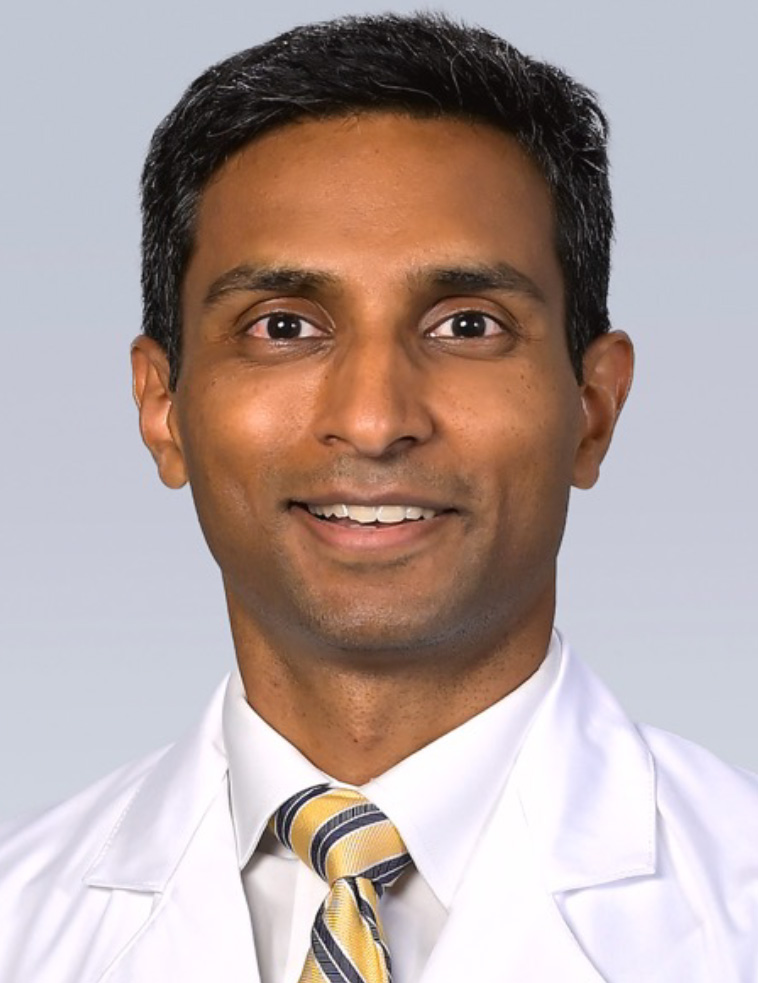
Vivek K. Narayan, MD, MS
Associate Professor of Medicine
Division of Hematology Oncology
University of Pennsylvania
Philadelphia, PA
Dr. Vivek K. Narayan is Associate Professor of Medicine in Hematology-Oncology at the Hospital of the University of Pennsylvania and a Penn Medicine medical oncologist. He earned his MD from the University of Virginia and a Master of Science in Clinical Epidemiology from the University of Pennsylvania. Dr. Narayan is board certified in medical oncology and is actively involved in national and international oncology organizations, including the American Society of Clinical Oncology and the American Association for Cancer Research.
Dr. Narayan’s clinical and research interests focus on advancing therapeutic strategies for prostate and kidney cancers, with particular emphasis on clinical trials, novel immunotherapeutic approaches, cellular therapies, and survivorship-related outcomes. His academic work includes studies evaluating targeted therapies, T-cell–redirecting approaches, and treatment-associated toxicities in patients with advanced genitourinary cancers.
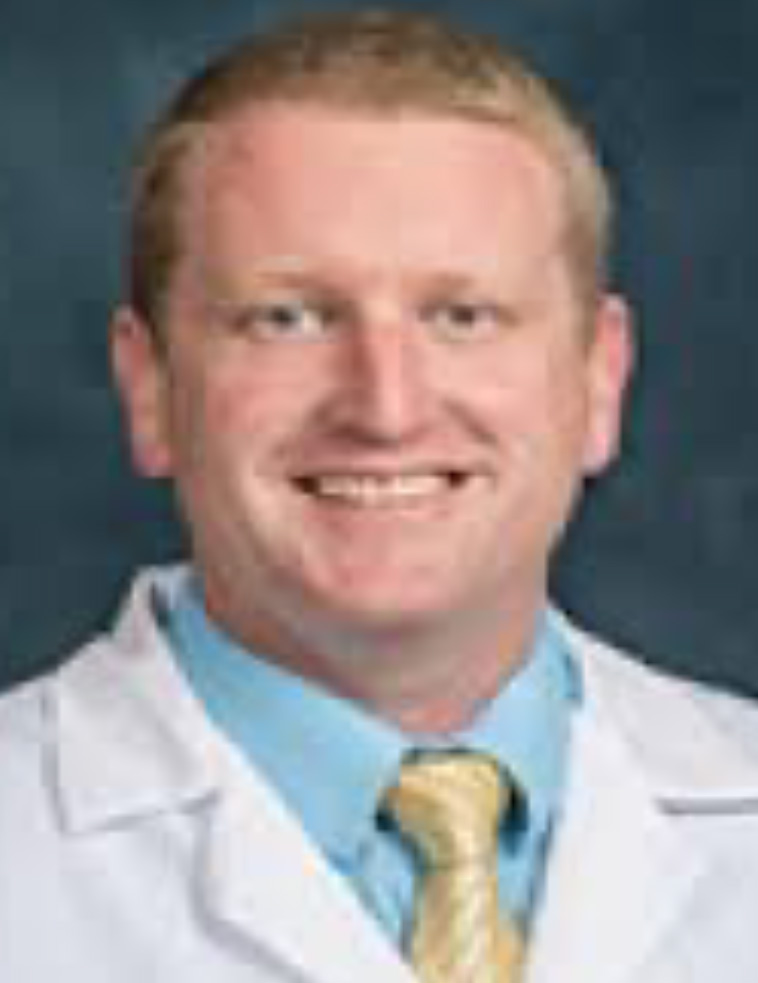
Phillip L. Palmbos, MD, PhD
Associate Professor
Division of Hematology/Oncology
Department of Internal Medicine
University of Michigan Medical School
Ann Arbor, MI
Dr. Phillip L. Palmbos is an Associate Professor in the Division of Hematology/Oncology at the University of Michigan Medical School and a medical oncologist specializing in genitourinary malignancies. He received his bachelor’s degree from Calvin College and completed his combined MD and PhD degrees through the NIH-sponsored Medical Scientist Training Program at the University of Michigan Medical School. He subsequently completed his internal medicine residency and hematology/oncology fellowship at the University of Michigan.
Dr. Palmbos’s clinical and translational research focuses on developing improved therapies and biomarkers for bladder and prostate cancers. His work includes investigating the molecular drivers of bladder cancer, understanding mechanisms of tumor progression and invasion, and building preclinical models to support the development of more effective treatment strategies for patients with genitourinary cancers.
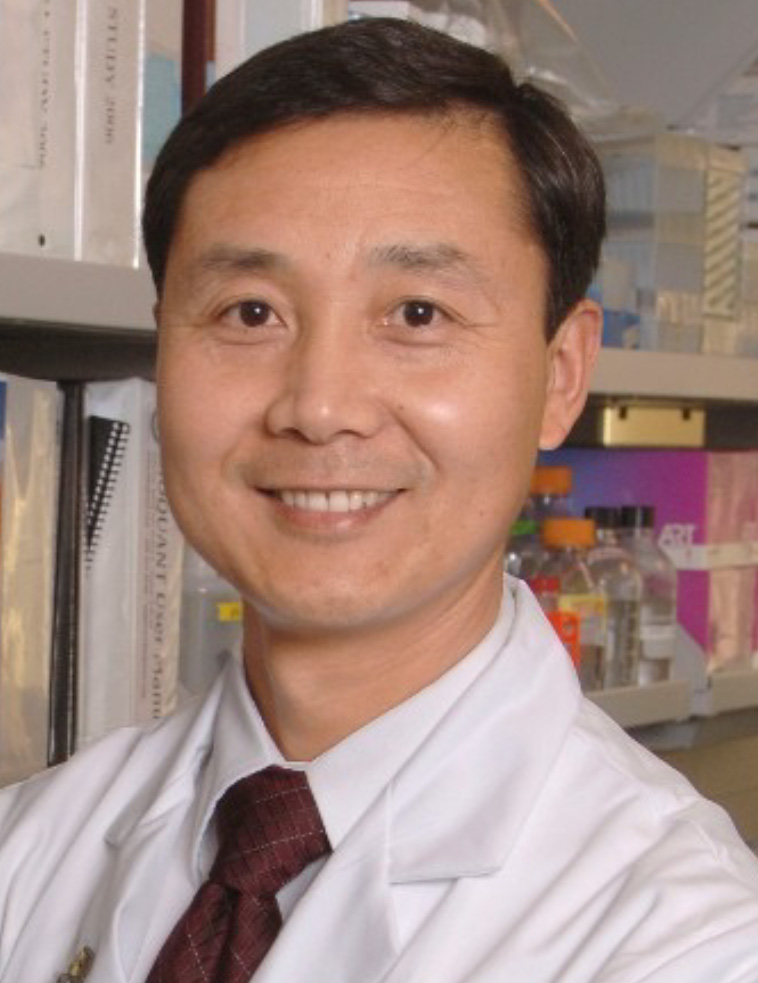
Chong-Xian Pan, MD
Associate Professor of Medicine
Brigham and Women’s Hospital
Harvard Medical School
Boston, MA
Dr. Chong-Xian Pan, MD, PhD, MS, is a medical oncologist, physician-scientist, and clinical investigator specializing in bladder cancer at Brigham and Women’s Hospital. He is also an Associate Professor of Medicine at Harvard Medical School. Dr. Pan earned his medical degree from Fudan University Shanghai Medical College, his PhD in Microbiology and Immunology from Loyola University Chicago, and his MS in Clinical Research from the University of California, Davis. He completed internal medicine residency training at Saint Francis Hospital and a fellowship in hematology and medical oncology at Indiana University
Dr. Pan’s clinical and research interests focus on translational research in bladder cancer, including drug development, patient-derived cancer models, immunotherapy, and bladder-preserving treatment strategies. He has translated preclinical research into multiple investigator-initiated clinical trials and has received research support from organizations including the National Institutes of Health, U.S. Department of Defense, American Cancer Society, and U.S. Department of Veterans Affairs.
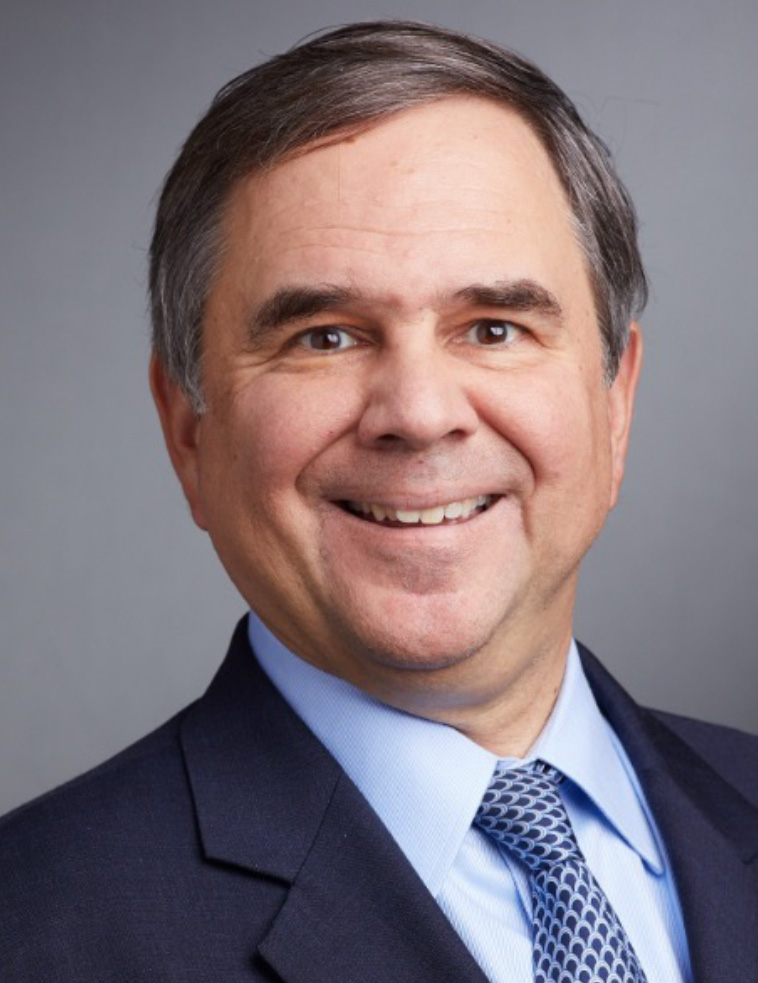
Daniel P. Petrylak, MD
Professor of Medicine (Medical Oncology) and Urology
Chief, Genitourinary Oncology
Director of Genitourinary Oncology, Co Director Signal Transduction Program
Yale School of Medicine
New Haven, CT
As Professor of Medicine and Urology at Yale School of Medicine, Dr. Daniel P. Petrylak is a pioneer in the research and development of new drugs and treatments to fight prostate, bladder, kidney and testicular cancer. For patients fighting these types of cancers, Petrylak finds recent developments in the field of immunotherapy particularly promising. “Up until recently, bladder cancer had not seen any major advancement in more than 30 years,” he says. “Studies are ongoing, but interim results are exciting so far.”
At the Smilow Cancer Hospital, Dr. Petrylak’s position as a national leader on clinical trials for men with prostate and bladder cancer has opened up a world of treatment options for patients in New England. “We offer the latest investigational drugs for these conditions, while providing the highest level of care,” he says.
Dr. Petrylak received his MD from Case Western Reserve University School of Medicine and joined the Yale faculty in 2012. In addition to his role as professor, he is also the co-director of the Cancer Signaling Networks Research Program at Yale Cancer Center, which studies how cancer stem cells are regulated in the body and communicate with surrounding tissue. Roughly 40 physicians and scientists in the program work together to develop the best methods for matching patients with the appropriate cancer drugs.
One of Dr. Petrylak’s key goals is to continue to successfully translate basic research into clinical practice. “One of the most significant accomplishments in my career was moving docetaxel (an antineoplastic agent) therapy for the most advanced form of prostate cancer from phase I to III,” he says. “We ran a trial which supported its approval for the most advanced form of prostate cancer.”
Dr. Petrylak currently serves as either the principal investigator or co-principal investigator on seven Southwest Oncology Group (SWOG) clinical trials for genitourinary cancers. To date, he has authored more than 100 peer-reviewed articles on prostate and bladder cancer research.
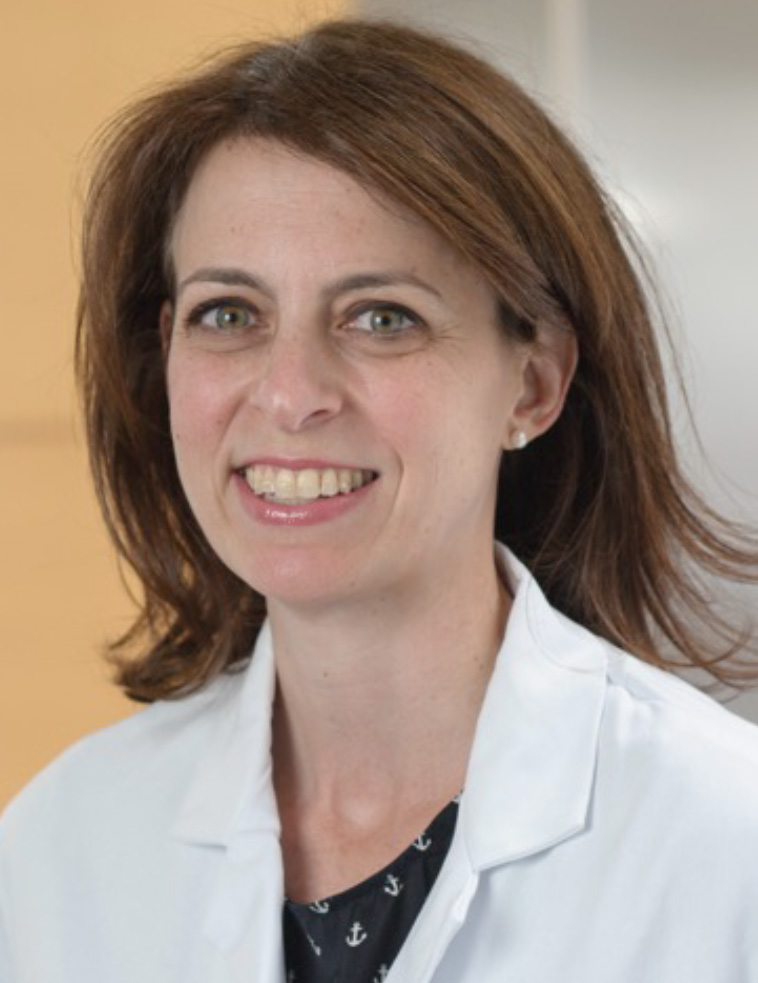
Dana E. Rathkopf, MD
Member, Memorial Hospital
Memorial Sloan Kettering Cancer Center
Clinical Professor of Medicine
Weill Cornell Medical College
New York, NY
Dr. Dana Rathkopf is a medical oncologist at Memorial Sloan Kettering Cancer Center (MSK) and a Clinical Professor of Medicine at Weill Cornell Medical College. She has played a leading role in the development and approval of clinical trials targeting the androgen receptor, both as monotherapy and in combination with other agents, with the goal of overcoming resistance and improving outcomes for patients with advanced prostate cancer. Nationally, she serves as the site principal investigator at MSK for the Prostate Cancer Clinical Trials Consortium, an initiative aimed at expanding patient access to clinical trials. In addition to her scientific leadership, Dr. Rathkopf holds key institutional roles as Deputy Associate Director of Clinical Research and Chair of the Research Council at MSK, where she oversees clinical trial review and helps guide institutional research priorities.
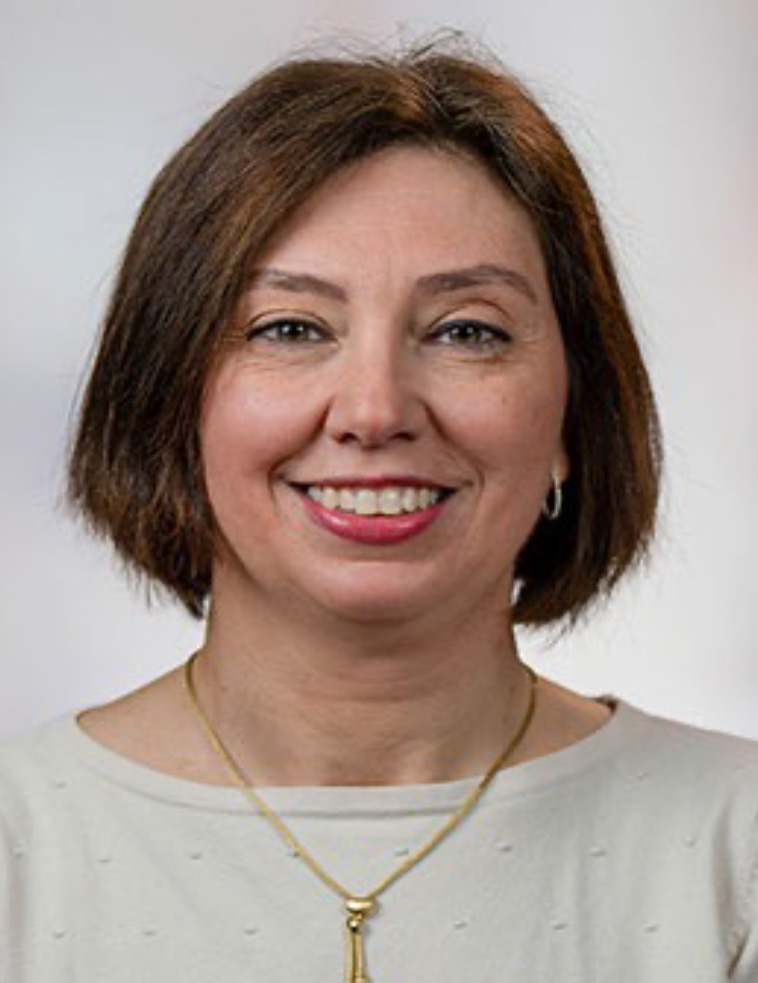
Rosa Nadal Rios, MD, PhD
GU Medical Oncology
Associate Professor
University of Washington School of Medicine
Fred Hutchinson Cancer Center.
Seattle, WA
Dr. Rosa Nadal Rios is a medical oncologist who is devoted to improving the treatment and survival of patients with genitourinary tumors. Her research involves studying novel targeted therapeutics and immunotherapy-based treatments for urologic cancers. Her research interest is in bladder cancer and bringing new cancer cell therapy to treat solid tumor malignancies. In particular, she developed the first clinical trial of engineered T cells targeting human endogenous retrovirus E for kidney cancer. As a native Spanish speaker, Dr. Nadal Rios enjoys working with patients who prefer to communicate in Spanish and advocates for these patients’ inclusion in clinical trials.

Karie D. Runcie, MD
Assistant Professor of Medicine
Division of Hematology/Oncology
Columbia University Irving Medical Center
Medical Oncologist, Genitourinary Oncology and Phase I Experimental Therapeutics
Herbert Irving Comprehensive Cancer Center
NewYork-Presbyterian/Columbia University Irving Medical Center
New York, NY
Dr. Runcie is an Assistant Professor of Medicine at Columbia University Irving Medical Center and a medical oncologist at the Herbert Irving Comprehensive Cancer Center. Karie D. Runcie, MD, received her BA in Biological Sciences and Sociology from Rice University and earned her medical degree from Albert Einstein College of Medicine. She completed her residency in Internal Medicine at NewYork-Presbyterian/Weill Cornell Medical Center, followed by a fellowship in Hematology and Oncology at Columbia University Irving Medical Center, where she served as Chief Fellow. She is board certified in Internal Medicine and Medical Oncology.
Her clinical and translational research focuses on developing innovative therapies through the Genitourinary Oncology and Phase I Experimental Therapeutics programs. Her work seeks to translate advances in cancer biology into clinical treatments, with particular emphasis on immunotherapy, targeted therapies, and early-phase clinical trials for patients with genitourinary cancers. Dr. Runcie has also contributed to multiple peer-reviewed oncology publications
Charles James Ryan, MD
Member
Attending Physician
Memorial Sloan Kettering Cancer Center
New York, NY
Dr. Charles J. Ryan is a genitourinary medical oncologist with a specialization in treating prostate cancer, particularly advanced prostate cancer that has metastasized to other parts of the body. He sees patients at the Sidney Kimmel Center for Prostate and Urologic Cancers in New York City and Memorial Sloan Kettering Monmouth in New Jersey. He takes pride in getting to know his patients and their families, making sure they understand their diagnosis, and explaining the various treatment options available, such as hormonal therapies, chemotherapy, targeted therapy, and radioligand therapy, which involves directing radiation to targeted cancer cells.
As a dedicated clinician, Dr. Ryan values building long-term relationships with his patients. In addition to his clinical work, he is deeply involved in research and has led numerous clinical trials and research teams focused on prostate cancer biology, treatment, and supportive care. His research has received funding from the National Institutes of Health, the Department of Defense Prostate Cancer Research Program, and the Prostate Cancer Foundation. He has authored more than 200 articles and book chapters in leading medical journals and wrote The Virility Paradox: The Vast Influence of Testosterone on Our Bodies, Minds, and the World We Live In. Previously, he served as Chair of the National Cancer Institute’s GU Steering Committee’s Prostate Cancer Task Force and as Chief Executive Officer of the Prostate Cancer Foundation. Currently, Dr. Ryan is the Medical Director of the Prostate Cancer Clinical Trials Consortium and a member of the Advanced Prostate Cancer Consensus Conference.
Oliver Sartor, MD
Director, Transformational Prostate Cancer Research Center
LCMC Health
Metairie, LA
Dr. Sartor received his MD from Tulane University School of Medicine with honors in 1982. After an internship at the University of Pennsylvania, he trained in internal medicine at Tulane Medical School. After completing a fellowship at the National Cancer Institute (NCI) in Bethesda, Maryland in 1989, he served until 1993 as a senior investigator at the NCI and began focusing on novel therapeutics for advanced prostate cancer patients. Dr. Sartor returned to Louisiana in 1993 to serve as an Associate Professor at the LSU Medical School in Shreveport and then moved to the LSU Health Sciences Center in New Orleans in 1998 as the Patricia Powers Strong Professor of Oncology, the Stanley S. Scott Cancer Center Director, and the Hematology/Oncology Section Chief. He was the Co-Director of the Louisiana Cancer Research Consortium, starting at its legislative inception in 2002. In March 2006, he left LSU to join the Lank Center for Genitourinary Oncology at the Dana Farber Cancer Institute and the Harvard Medical School. In January 2008, Dr. Sartor joined Tulane University as the C. E. and Bernadine Laborde Professor of Cancer Research in the Departments of Medicine and Urology.
An internationally recognized expert in prostate cancer, Dr. Sartor’s interests have focused broadly on prostate cancer, predominantly in those patients who failed initial therapies. His publications range from genetic studies on prostate cancer to clinical trials involving novel agents. He has been a lead author on two studies pivotal for FDA drug approval in prostate cancer and has been the PI or co-PI on a number of prospective international clinical trials evaluating new therapies for patients with advanced prostate cancer.
Having published over 500 scholarly articles and having served as the past Chairman of the Department of Defense Prostate Integration Panel, Dr. Sartor, in addition to being the C.E. and Bernadine Laborde Professor of Cancer Research in the Departments of Medicine and Urology, is the Medical Oncology Chair of the GU Committee of the NRG, the Assistant Dean for Oncology at Tulane University School of Medicine, the Medical Director of the Tulane Cancer Center, and the Editor-in-Chief of the peer-reviewed journal, Clinical Genitourinary Cancer. In addition, he is currently a member of the NCI Board of Scientific Counselors (Clinical Sciences and Epidemiology).
Neil J. Shah, MD
Assistant Attending Physician
Memorial Sloan Kettering Cancer Center
New York, NY
Neil J. Shah, MBBS, is a genitourinary medical oncologist and Assistant Attending Physician at Memorial Sloan Kettering Cancer Center (MSK). He earned his MBBS from Pramukhswami Medical College in India, completed his internal medicine residency at Hackensack Meridian Health Mountainside Medical Center, and pursued fellowship training in hematology/oncology at MedStar Georgetown University Hospital.
He specializes in the care of patients with genitourinary malignancies, including kidney, prostate, bladder, and testicular cancers, with clinical expertise in immunotherapy and clinical trials. Dr. Shah’s research interests focus on identifying novel treatments for kidney cancer and developing improved methods for early detection of immunotherapy-related toxicities. He is an active member of MSK’s translational kidney cancer research program and works within a multidisciplinary team to deliver individualized, evidence-based care, including access to innovative clinical trial options
Sumit Shah, MD, MPH
Clinical Associate Professor of Medicine – Oncology
Clinical Associate Professor of Urology, by courtesy
Stanford University School of Medicine
Stanford, CA
Dr. Sumit Shah is a medical oncologist at Stanford University specializing in genitourinary malignancies, including prostate, bladder, kidney, and testicular cancers. He is a Clinical Associate Professor of Medicine in Oncology and, by courtesy, of Urology, and is a member of the Stanford Cancer Institute. Dr. Shah earned his medical degree from Stanford University School of Medicine and a Master of Public Health from Harvard University. He completed his internal medicine residency at the University of California, San Francisco, followed by a fellowship in hematology and oncology at Stanford University. He also serves as Medical Director of Digital Healthcare Integration and Director of Infusion Services at Stanford Hospital, as well as Assistant Dean of Academic Advising at Stanford School of Medicine.
His clinical research focuses on novel immunotherapies, biomarkers for treatment selection, and clinical trials in advanced urologic cancers. He also has academic interests in digital health technologies and innovative models of healthcare delivery. Dr. Shah serves on the National Comprehensive Cancer Network (NCCN) Panel for testicular cancer and has lectured internationally on the management of genitourinary malignancies.
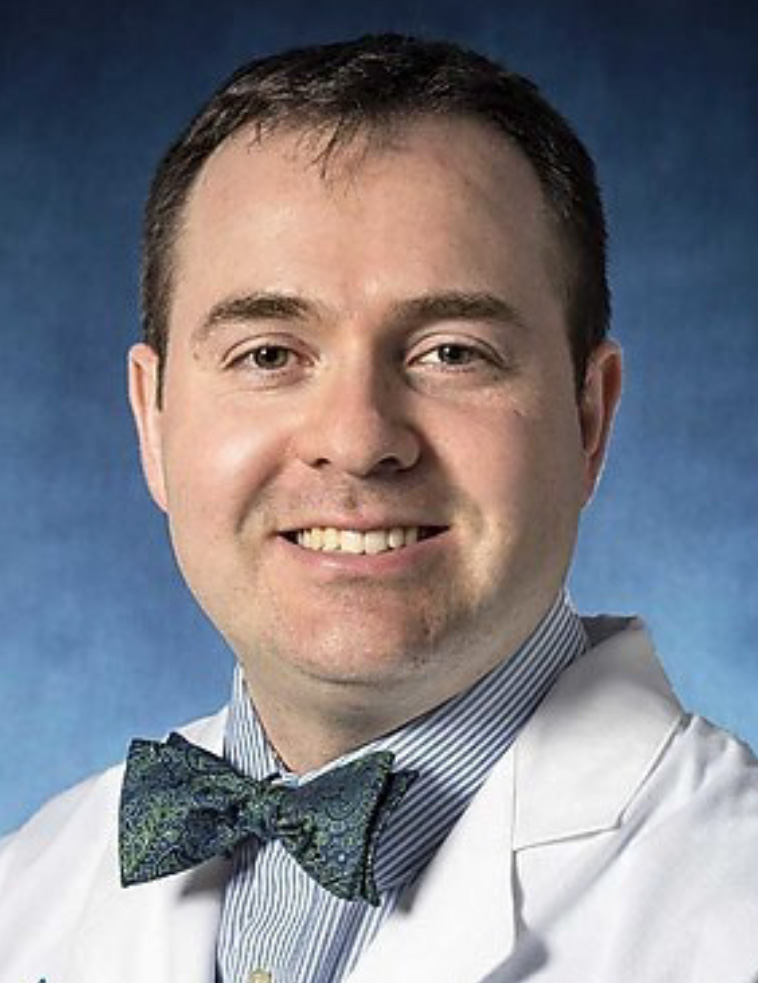
Eugene Shenderov, MD, PhD
Associate Professor of Oncology and Cancer Research Immunology
Johns Hopkins School of Medicine
Sidney Kimmel Comprehensive Cancer Center
Johns Hopkins University
Baltimore, MD
Dr. Eugene Shenderov is an Associate Professor of Oncology and Cancer Research Immunology at the Johns Hopkins School of Medicine and a medical oncologist specializing in genitourinary malignancies, with a particular focus on prostate cancer. He earned his PhD from the University of Oxford and his medical degree from the Johns Hopkins University School of Medicine. He completed his residency in internal medicine at Johns Hopkins Bayview Medical Center and fellowship training in oncology at the Johns Hopkins University School of Medicine.
Dr. Shenderov directs the Spatial Cancer Research Immunobiology & Therapeutics Laboratory, where his research focuses on cancer immunotherapy, immunogenomics, spatial biology, artificial intelligence, and translational approaches to improve cancer diagnosis and treatment. His work includes investigation of immune-based and biomarker-driven strategies in prostate cancer, including B7-H3–targeted approaches and clinical trial development for patients with genitourinary malignancies.
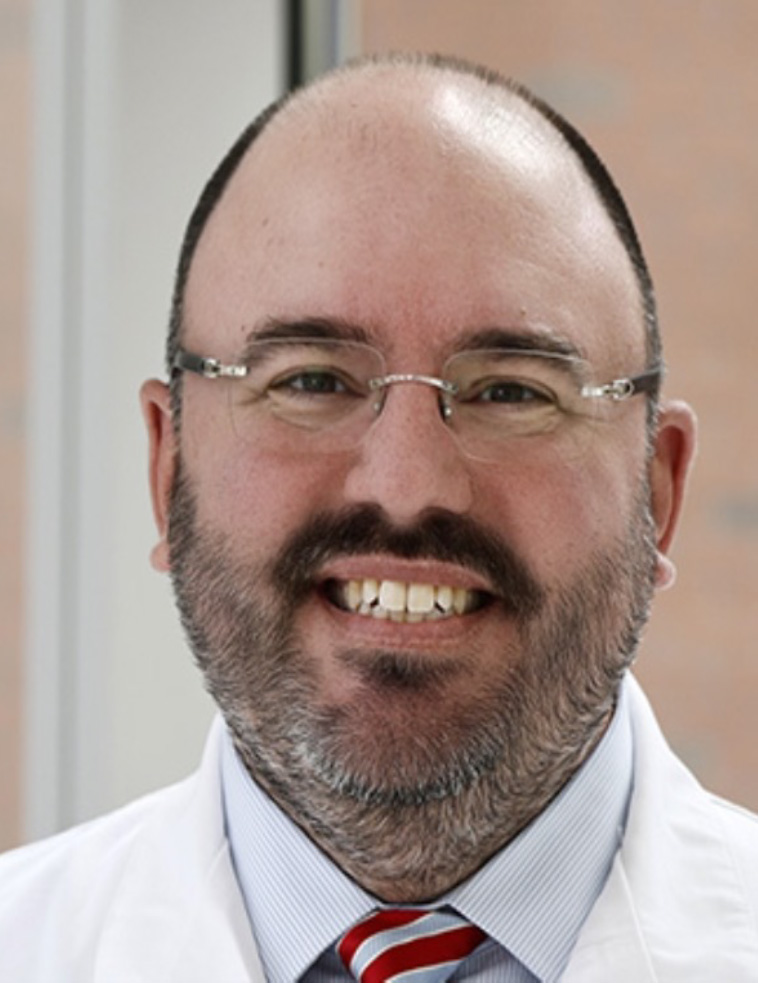
Eric Singer, MD, MA, MS, FACS, FASCO
Professor of Urology
Director, Division of Urologic Oncology
Dave Longaberger Endowed Chair in Urology
Director, Urologic Oncology Fellowship
The Ohio State University College of Medicine
Columbus, OH
Dr. Eric A. Singer is a Professor of Urology and Bioethics at The Ohio State University College of Medicine and Director of the Division of Urologic Oncology at The Ohio State University Comprehensive Cancer Center -James Cancer Hospital and Solove Research Institute. He received his medical degree with Honors in Research from Georgetown University. He completed general surgery and urologic surgery training at the University of Rochester Medical Center, where he also completed a fellowship in clinical ethics, followed by a clinical and research fellowship in the Urologic Oncology Branch of the National Cancer Institute. He also holds a master’s degree in clinical and translational science from Rutgers University and has completed additional certificate training through the National Institutes of Health, Harvard T.H. Chan School of Public Health, and Harvard Medical School.
Dr. Singer’s clinical and research interests focus on improving treatment strategies for patients with urologic cancers, particularly kidney cancer. His work includes clinical trials evaluating novel approaches in renal cell carcinoma, translational research in genitourinary malignancies, and bioethics research focused on informed consent, decision-making capacity, research ethics, and surgical ethics. He is also actively involved in training the next generation of urologic oncologists through the Urologic Oncology Fellowship at OSUCCC – James.
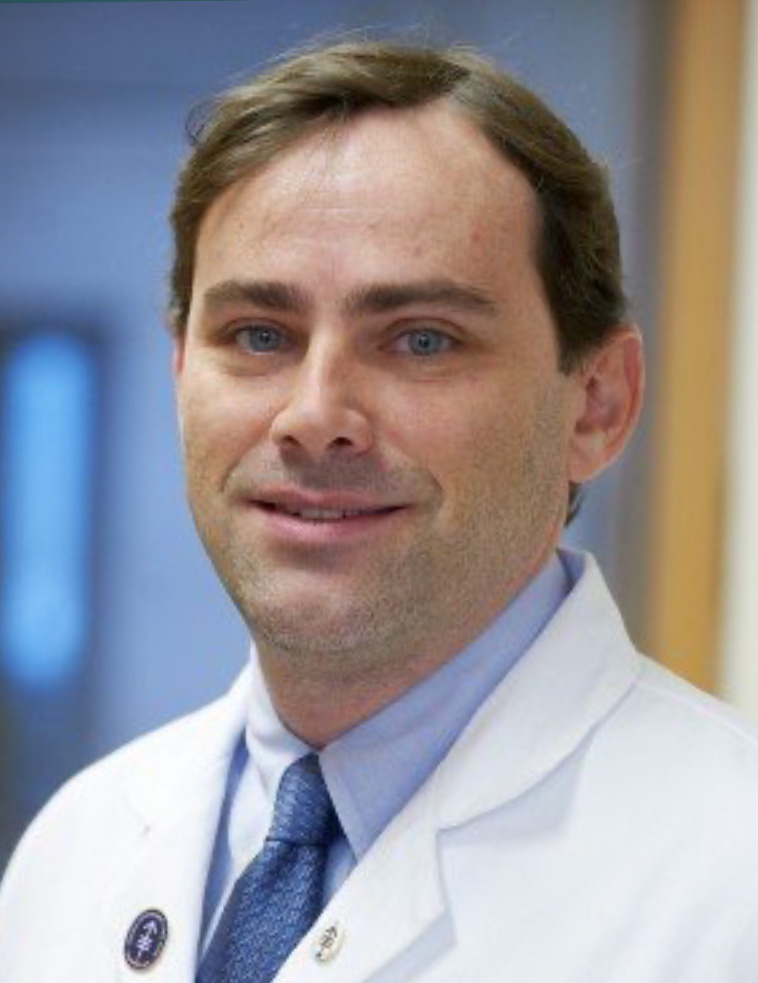
David B. Solit, MD
Geoffrey Beene Chair in Cancer Research
Director, Marie-Josée and Henry R. Kravis Center for Molecular Oncology
Chief, Molecular Medicine Service, Human Oncology and Pathogenesis Program
Memorial Sloan Kettering Cancer Center
New York, NY
David B. Solit, MD, is a physician-scientist and internationally recognized leader in precision oncology at Memorial Sloan Kettering Cancer Center (MSKCC). He serves as the Geoffrey Beene Chair for Cancer Biology and Chief of the Division of Solid Tumor Oncology within the Department of Medicine at MSKCC, andis also a Professor of Medicine at Weill Cornell Medical College. Dr. Solit earned his medical degree from the University of Pennsylvania School of Medicine and completed his residency in internal medicine at Massachusetts General Hospital, followed by a fellowship in medical oncology at Memorial Sloan Kettering Cancer Center. Throughout his career, he has played a pivotal role in integrating genomic profiling into cancer care and advancing molecularly targeted therapies.
Dr. Solit’s research focuses on cancer genomics, mechanisms of resistance to targeted therapies, and the development of precision medicine strategies across solid tumors. He was instrumental in the development and implementation of MSK-IMPACT, a widely adopted next-generation sequencing platform used for comprehensive tumor profiling, and has contributed to landmark discoveries involving BRAF, FGFR, and other actionable oncogenic drivers. His translational research has significantly influenced biomarker-driven clinical trial design and personalized cancer therapy, and he has authored numerous high-impact publications in leading journals including Nature, Cancer Discovery, and The New England Journal of Medicine.
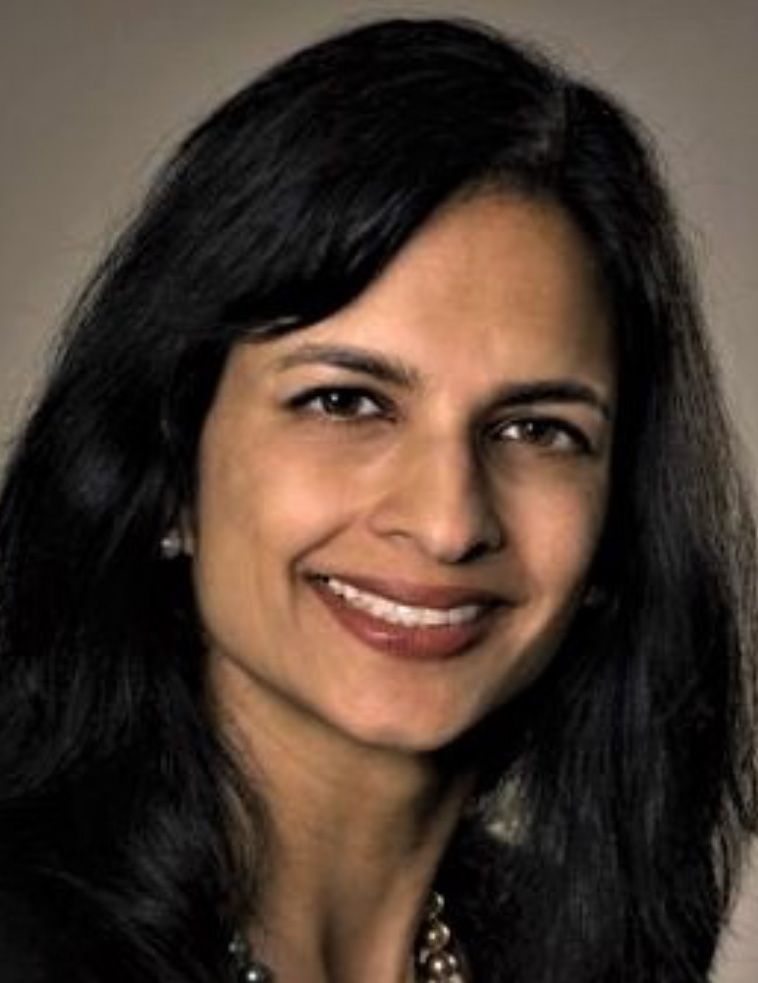
Srikala Sridhar, MD, MSc, FRCPC
Staff Medical Oncologist
GU Site Group Lead
Princess Margaret Cancer Center
Professor, Medical Oncology,
University of Toronto,
Toronto, Ontario, Canada
Dr. Srikala Sridhar holds the position of Professor in the Department of Medicine at the University of Toronto, and is a Genitourinary Medical Oncologist and Site Lead at the Princess Margaret Cancer Center. She is chair of the Genitourinary Medical Oncologists of Canada, Vice Chair of the Medical Advisory Board of Bladder Cancer Canada as well as the K. Y. Ho chair in Prostate Cancer Research. Additionally, she contributes her expertise as a member of the Canadian Clinical Trials Group – Genitourinary Disease Site Executive Committee, and the US National Cancer Institute Bladder Cancer Task Force. Her primary research focus lies in new drug development and Phase II clinical trials. She has significantly impacted the field of genitourinary oncology through her involvement as a principal or co-investigator on numerous industry and investigator initiated clinical trials, including several practice changing trials. With a specialization in advanced urothelial cancers, she is recognized internationally for her expertise. Her recent contributions to the field can be found in the New England Journal of Medicine, JAMA Oncology, and European Urology.
In recognition of her dedication and excellence in teaching and mentorship, Dr. Sridhar was honored with the University of Toronto, Department of Medicine, Postgraduate Medicine Teaching Award in 2011 and the Robert Hyland Mentorship Award in 2020.
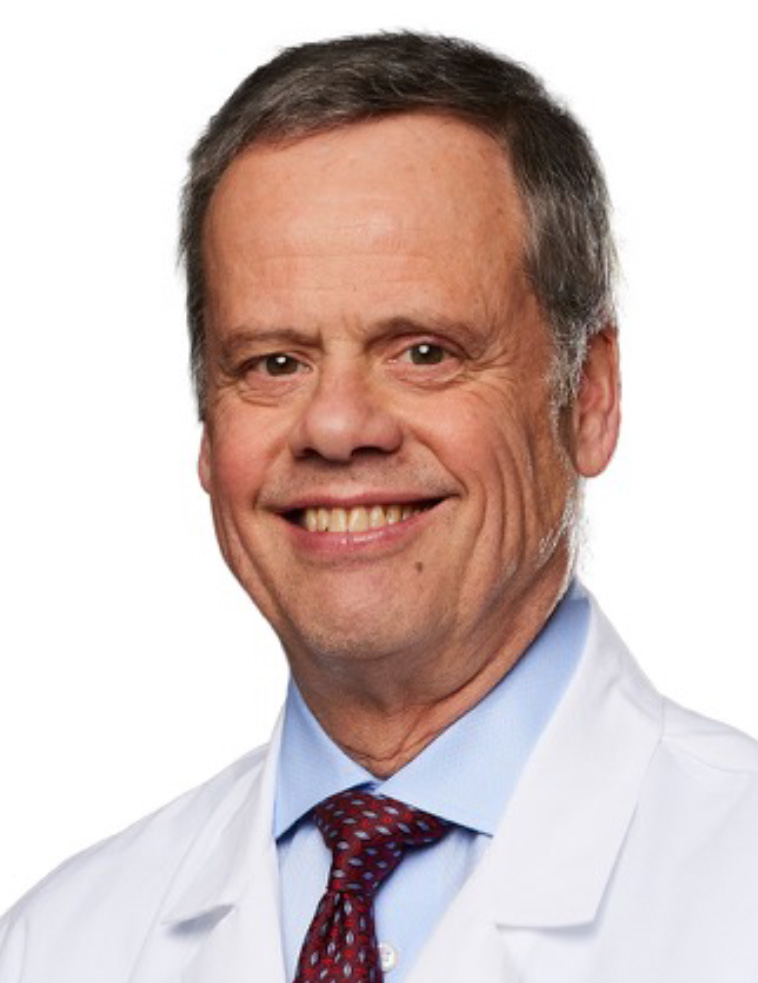
Walter Stadler, MD, FACP, FASCO
Chief Clinical Officer,
City of Hope Cancer Center Chicago
Professor,
Department of Medical Oncology & Therapeutics Research
Chicago, IL
As chief clinical officer at City of Hope® Cancer Center Chicago, Walter Stadler, M.D., F.A.C.P., oversees physician recruitment and clinical care for patients receiving treatment at our locations across Illinois, Southeastern Wisconsin and the surrounding areas. In this senior leadership position, Dr. Stadler ensures that every person receives the compassionate, high-quality care they deserve, as well as access to breakthrough treatments developed across City of Hope’s national network.
A medical oncologist and genitourinary cancer specialist with more than 30 years’ experience across clinical, academic and research settings, Dr. Stadler is committed to expanding access to innovative cancer care. Before joining City of Hope, he held multiple clinical and leadership positions at the University of Chicago School of Medicine, including Deputy Director of the University of Chicago Comprehensive Cancer Center and Associate Dean for Clinical Research.
After earning his medical degree at Yale University School of Medicine in New Haven, Connecticut, Dr. Stadler completed a residency in internal medicine at Michael Reese Hospital and Medical Center in Chicago, followed by a fellowship in hematology and oncology at the University of Chicago. He is board-certified in medical oncology and a member of multiple professional organizations, including the American Society of Clinical Oncology, the American Association of Cancer Research and the Society for Clinical and Translational Science.
A physician-scholar, Dr. Stadler has more than 400 peer-reviewed journal articles to his name. His research interests include developing new treatment options for genitourinary cancers and bringing more access to clinical trials to underserved communities. In addition to his leadership role, Dr. Stadler continues to serve patients diagnosed with prostate, kidney, testicular or bladder cancer.
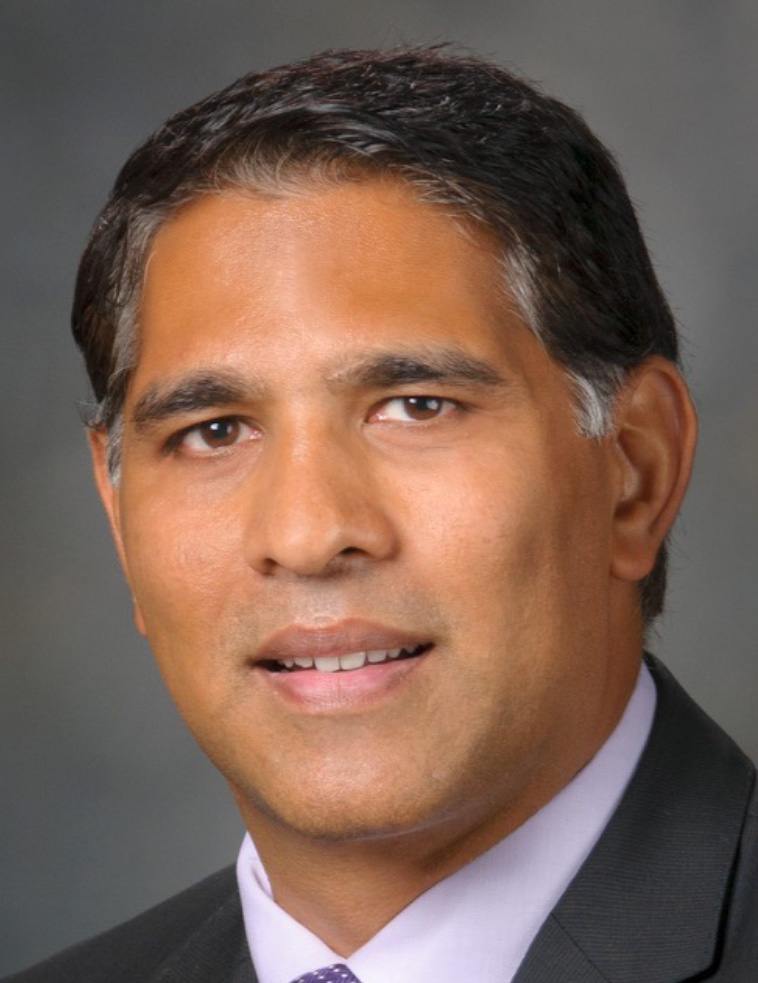
Sumit K. Subudhi, MD, PhD
Associate Professor
Department of Genitourinary Medical Oncology
Division of Cancer Medicine
The University of Texas MD Anderson Cancer Center
Houston, TX
Sumit K. Subudhi, MD, PhD, is an associate professor in the Department of Genitourinary Medical Oncology, Division of Cancer Medicine, at The University of Texas MD Anderson Cancer Center in Houston, Texas. Dr. Subudhi received his medical and doctoral training through the MD/PhD program at the University of Chicago Pritzker School of Medicine. He completed residency training in internal medicine at NewYork-Presbyterian Hospital/Weill Cornell Medical Center and a medical oncology fellowship at Memorial Sloan Kettering Cancer Center, where he also pursued postdoctoral training in tumor immunology
His clinical and research work focuses on genitourinary malignancies, particularly prostate cancer, and the development of immune-based therapeutic approaches. Dr. Subudhi’s research centers on understanding the immunologic mechanisms that drive tumor rejection, clinical benefit, and resistance to therapy. His work has included studies of immune checkpoint pathways, including PD-L1/B7-H1, CTLA-4, and PD-1, as well as efforts to identify biomarkers that may predict response to immunotherapy in prostate cancer
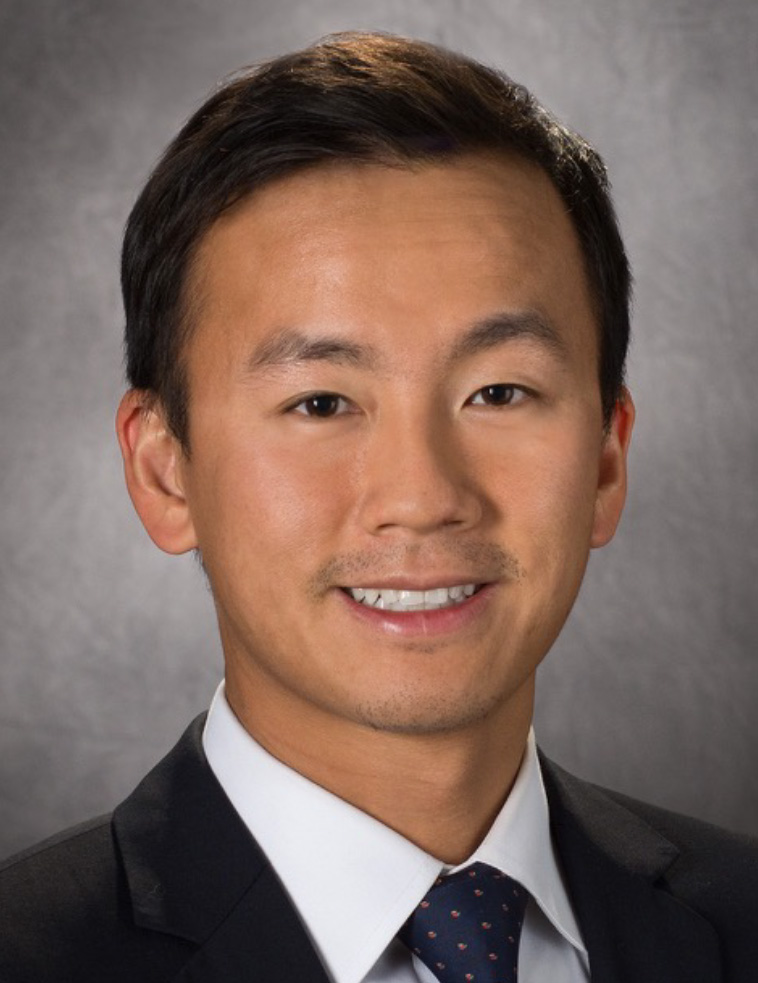
Chad Tang, MD
Associate Professor
Department of Genitourinary Radiation Oncology
Division of Radiation Oncology
The University of Texas MD Anderson Cancer Center
Houston, TX
Chad Tang is a radiation oncologist at MD Anderson Cancer Center and associate professor in the department of genitourinary radiation oncology. He holds joint appointments in the department of investigational cancer therapeutics and translational molecular pathology. He received his MD from Stanford University and completed residency at MD Anderson Cancer Center. His research and clinical practice focus on the treatment of advanced prostate and renal cell carcinomas with an emphasis on oligometastatic and oligoprogressive patients. He has completed and continues to run several investigator-initiated clinical trials investigating these disease states with a translational emphasis on immune and circulating tumor bioanalytes.
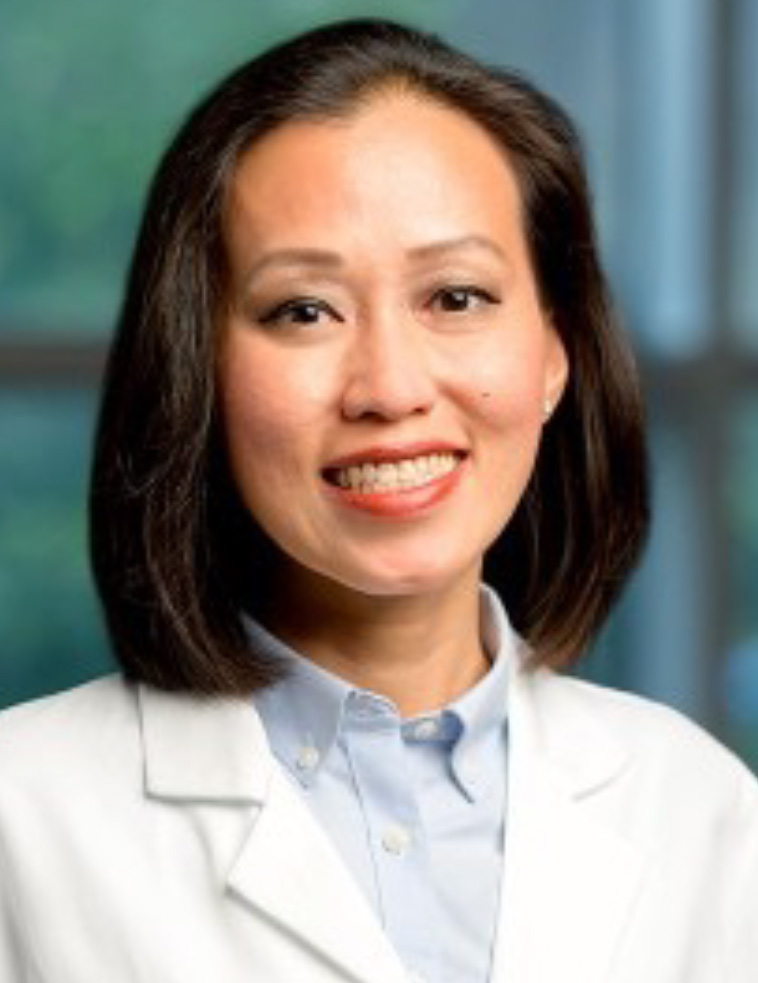
Hong Truong, MD, MS
Urologic Surgeon
Memorial Sloan Kettering Cancer Center
New York, NY
Dr. Hong Truong, MD, MS, is a board-certified urologic surgeon at Memorial Sloan Kettering Cancer Center (MSK), where she specializes in the surgical management of prostate cancer across all stages of disease. She practices at the Sidney Kimmel Center for Prostate and Urologic Cancers in New York City and works within a multidisciplinary team focused on delivering personalized cancer care. Dr. Truong earned her medical degree from Sidney Kimmel Medical College at Thomas Jefferson University and has developed expertise in urologic oncology, minimally invasive surgical approaches, and precision-based cancer treatment strategies.
Dr. Truong’s clinical and research interests center on improving the diagnosis and treatment of genitourinary malignancies, with a particular emphasis on cancer genetics and precision oncology. Her work explores how inherited and tumor-specific genetic mutations influence cancer development, progression, and therapeutic response, with the goal of advancing individualized treatment approaches for patients with prostate cancer. At MSK, she is actively involved in collaborative translational research efforts aimed at integrating genomic profiling and innovative treatment strategies into clinical practice to improve patient outcomes and quality of life.
Alex Tsai, MD, PhD
Assistant Professor
Division of Hematology, Oncology and Transplantation
University of Minnesota Medical School
Minneapolis, MN
Alex Tsai, MD, PhD, is an Assistant Professor in the Division of Hematology, Oncology and Transplantation at the University of Minnesota Medical School. He is a physician-scientist specializing in the treatment of solid tumors, with a particular clinical focus on prostate and pancreatic cancers. Dr. Tsai earned his bachelor’s and master’s degrees from the University of Minnesota before completing his MD and PhD at the University of Maryland School of Medicine. He returned to the University of Minnesota for his Internal Medicine residency and subsequently completed a fellowship in Hematology, Oncology and Transplantation through the Physician-Scientist Training Program. His clinical practice emphasizes innovative, patient-centered care for individuals with advanced solid tumors.
Dr. Tsai’s research interests focus on cancer immunology and the development of next-generation immunotherapies for solid tumors. His laboratory investigates adoptive cell therapies, T-cell biology, the tumor microenvironment, and mechanisms underlying immune resistance, with a particular emphasis on immunologically “cold” tumors such as prostate and pancreatic cancers. He is committed to translating laboratory discoveries into novel therapeutic strategies that improve patient outcomes and expand treatment options
Scott S. Tykodi, MD, PhD
Professor, Clinical Research Division
Affiliate Investigator, Translational Science and Therapeutics Division
Fred Hutch Cancer Center
Associate Professor
Division of Hematology and Oncology
University of Washington School of Medicine
Seattle, WA
Dr. Scott S. Tykodi, MD, PhD, is a physician at Fred Hutch Cancer Center and a medical oncologist specializing in kidney cancer and melanoma. He serves as Professor in the Clinical Research Division and Affiliate Investigator in the Translational Science and Therapeutics Division at Fred Hutch Cancer Center. He is also Associate Professor in the Division of Hematology and Oncology at the University of Washington School of Medicine. Dr. Tykodi received his MD and PhD from Washington University School of Medicine, completed his residency in internal medicine at Barnes-Jewish Hospital, and pursued fellowship training in medical oncology and hematology-oncology at the University of Washington.
Dr. Tykodi’s clinical and research interests focus on translating advances in cancer immunology into novel therapeutic strategies for patients with kidney cancer and other solid tumors. His work includes the clinical and translational evaluation of immune-based therapies, including T-cell immunotherapy approaches, with the goal of improving treatment outcomes and expanding personalized therapeutic options for patients with renal cell carcinoma.
Sara E. Wobker, MD, MPH
Associate Professor with Tenure
Department of Pathology and Laboratory Medicine
University of North Carolina at Chapel Hill
Chapel Hill, NC
Dr. Sara Wobker is an Associate Professor of Pathology and Laboratory Medicine and Urology at the University of North Carolina at Chapel Hill, where she also serves as the Director of Anatomic Pathology and Director of Genitourinary Pathology. She completed her Anatomic and Clinical Pathology training and cytopathology fellowship at UNC, followed by a fellowship in Urologic Surgical Pathology at Johns Hopkins. Her research spans all genitourinary malignancies, with a focus on urothelial carcinoma and its subtypes, along with understanding the histopathology following neoadjuvant therapy in bladder and kidney tumors.
Yu-Ning Wong, MD, MSCE
Professor of Clinical Medicine, Hematology-Oncology
Perelman School of Medicine
University of Pennsylvania
Philadelphia, PA
Dr. Yu-Ning Wong is a Professor of Clinical Medicine in Hematology-Oncology at the Perelman School of Medicine, University of Pennsylvania. She earned her MD from the University of Medicine of New Jersey–Robert Wood Johnson Medical School and completed her internal medicine residency at Thomas Jefferson University Hospital. She then completed fellowship training in hematology and medical oncology at Temple University Hospital and Fox Chase Cancer Center, followed by an MS in Clinical Epidemiology from the University of Pennsylvania.
Her clinical and academic work is centered in hematology-oncology, with expertise across cancer care, clinical medicine, and inpatient oncology services. Her academic background combines clinical oncology with clinical epidemiology, supporting work in evidence-based cancer care, outcomes research, and patient-centered oncology practice. At the University of Pennsylvania, she contributes to the training, clinical care, and academic mission of the Perelman School of Medicine and Penn Medicine’s hematology-oncology program.